Exploring the Rise of Butterfly Nail Stamps in Art
Intro
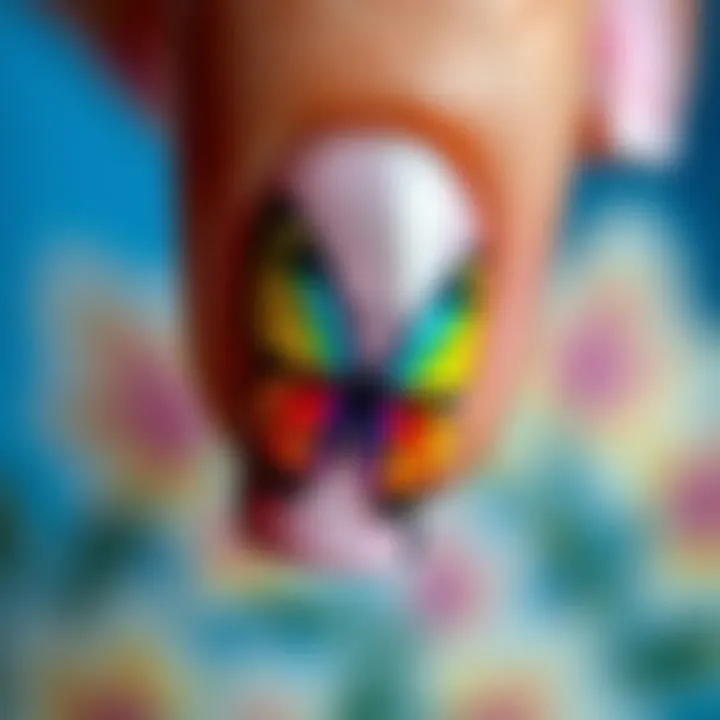
Nail art has grown far beyond simple color painting and traditional designs. It’s like a canvas for creativity and personal expression. One standout choice that has taken the nail art scene by storm is the butterfly nail stamp. This trend not only adds intricate visual detail but also carries deeper meanings of transformation and beauty, symbolized by butterflies themselves.
The emergence of butterfly nail stamps can be traced through various socio-cultural influences. They are more than just colorful designs; they echo a metamorphosis in self-expression that is related to fashion and identity. Whether you are a newcomer to the nail art realm or a seasoned enthusiast, understanding butterfly nail stamps can enrich your artistry and aesthetic appeal. This article peels back the layers of this vibrant trend, revealing how techniques and styles have evolved, the significance behind these designs, and the ethical considerations that accompany beauty practices today.
Fashion Trends
Latest Seasonal Trends
Butterfly nail stamps are not just a fleeting fad; they resonate with the ever-changing waves of fashion. Every season, as styles ebb and flow, certain motifs find their way back into favor. For instance, in spring, pastel colors paired with delicate butterfly designs symbolize new beginnings and rejuvenation. As summer rolls in, bolder hues and metallic finishes often take center stage, embodying the vibrancy of life and the carefree spirit of warmer months.
Taking a look at platforms like Instagram and Pinterest, it’s evident that influencers and stylists are incorporating butterfly motifs into more than just nail art. Outfits, accessories, and makeup are also embracing this nature-inspired theme, leading to a cohesive fashion statement that tantalizes the senses.
Iconic Styles Revived
Many nail art designs have taken cues from the classic styles of yesteryears. For example, butterfly nail stamps evoke retro floral patterns and psychedelic colors reminiscent of the 1960s and 70s. Combining these iconic styles with modern techniques, creative minds are not only preserving the past but also reinventing it for today’s audience. This revival shows how layers of history can influence the present, making it easier for individuals to express their unique tastes through nail art.
"When you think about it, a butterfly is the perfect analogy for change in style and self-expression."
Style Tips
How to Mix and Match
Integrating butterfly nail stamps into your nail art arsenal can be seamless with some thoughtful design choices. Mixing them with geometric shapes or contrasting colors can create a bold statement. For instance, pairing soft pastels with vivid black or white lines can accentuate the butterfly's beauty while ensuring that the nails don’t become overwhelming.
- Use a base color that complements the butterfly design trends this season.
- Experiment with varying sizes of butterfly stamps to create a 3D effect.
- Incorporate glitter or matte top coats to alter the finish and add depth.
Dressing for Different Occasions
When it comes to selecting the ideal butterfly nail design for various events, context is key. Opting for subtle, smaller butterfly designs works well for professional settings, allowing for an elegant touch without being overpowering. In contrast, vibrant and large stamp patterns can shine at social gatherings, where you can show off your creative flair. Here are some tips based on the occasion:
- Workplaces: Keep it simple with muted colors and minimalist designs.
- Casual Outings: Feel free to express yourself with lively colors and mixed styles.
- Formal Events: Elegant butterflies embossed in gold or silver can add a sophisticated touch.
By weaving butterfly nail stamps into your style narrative, you're not just making a fashion statement; you're embracing a tapestry of creativity, history, and personal expression in a piece of art wearable on your fingertips.
While this exploration of butterfly nail stamps may scratch the surface, the possibilities are as endless as the sky on a clear sunny day.
Prelude
The realm of nail art is ever-evolving, reflecting changes in fashion, technology, and personal expression. Within this vibrant landscape, butterfly nail stamps have emerged as a popular choice. This trend encapsulates the whimsy of butterfly designs while merging artistic creativity with practical application. This article aims to explore the rise of butterfly nail stamps, discussing their appeal, cultural relevance, and the techniques that accompany their application. By delving into the intricacies of this trend, we not only celebrate its aesthetic but also address the underlying significance it holds in the broader context of nail art.
In the world of beauty, nails often serve as tiny canvases for self-expression. Butterfly nail stamps allow for quick and intricate artistry that captures the delicate beauty of butterflies, appealing to both casual enthusiasts and professional nail artists. Not only do they offer an accessible means of achieving intricate designs, but they also infuse nails with a sense of levity and joy.
Benefits of Butterfly Nail Stamps
Butterfly nail stamps come with numerous benefits. They can transform an ordinary manicure into something extraordinary without the need for extensive training. Here’s what makes them a delight:
- Versatility: Suitable for various occasions, they can be tailored to fit casual settings or grand events.
- Time Efficiency: Achieving detailed designs takes less time than hand-painting, making them perfect for busy schedules.
- Customizability: Users can mix and match colors, combining different stamps for a unique look.
The article will further explore the cultural significance of nail art, aiming to highlight how butterfly designs, and nail art at large, connect to broader cultural narratives. It’s not just about aesthetics; it’s about embracing individuality, and through this exploration, we appreciate the nuances of self-expression through nail art.
Historical Context of Nail Art
Understanding the historical background of nail art provides a deeper appreciation for contemporary techniques like butterfly nail stamps. Nail art is more than mere decoration; it reflects societal norms, cultural beliefs, and personal expression over centuries. By examining past practices, one can see how today's trends have evolved, blending ancient traditions with modern creativity. This historical context establishes a timeline of innovation and changes in aesthetics, allowing current artists to pull inspiration from diverse cultural roots.
Ancient Practices
Egyptian Traditions
In ancient Egypt, nail art held significant meaning and was often intertwined with social status. Wealthy individuals adorned their nails with hues of red and black made from natural pigments. The chosen colors weren't just for show; they communicated social standings and were believed to symbolize power and femininity. Also, the Egyptians utilized tools for nail care, such as sharpened sticks to shape their nails. This dedication to nail aesthetics created a foundation for future nail art practices.
One key characteristic of Egyptian nail art was its heavy reliance on natural materials, providing a unique connection to history. This natural aspect remains beneficial, as many modern nail art enthusiasts are seeking eco-friendly options. However, the downside was that producing these pigments was labor-intensive and not easily accessible, which might create disparities in beauty practices today.
Chinese Innovations

Similarly, ancient China saw nail art evolve as a symbol of status. Emperors and aristocrats showcased their nails through intricate designs and vibrant colors. They used sticky rice powder, which created the desired shades and served to strengthen the nails. This tradition speaks to the innovative spirit found in Chinese culture, reflecting a blend of aesthetics with functionality.
The uniqueness of Chinese nail art lies in its incorporation of various motifs, such as floral patterns and auspicious symbols. This has influenced modern nail art, notably the butterfly designs that are highly sought after today. However, the complex methods employed in ancient Chinese nail art often present challenges in accessibility; not every current practitioner can adopt these ancient techniques without substantial resources.
Evolution Through the Decades
1920s to 2000s
The evolution of nail art from the 1920s to the early 2000s saw drastic changes driven largely by cultural shifts and technological advancements. In the 1920s, nail polish was a revolutionary product, allowing a broader population to partake in nail artistry. By the 1970s, with the rise of disco culture, vibrant colors and artistic designs became a fashion staple, paving the way for greater creativity and experimentation.
This period emphasized a playful approach to nails, with the inclusion of glitter and nail art techniques becoming widely fashionable. As a result, today's butterfly nail stamps can be seen as a continuation of the inventive spirit of this era. However, as designs evolved, so did the need for improved applications, leading to the development of specialized tools that modern nail artists frequently use.
Impact of Celebrity Culture
Celebrity culture has always played a pivotal role in shaping trends, and nail art is no exception. The influence of celebrities has given significant visibility to various styles, including butterfly nail stamps. Their use of bold colors and intricate designs in public appearances has sparked widespread interest and eager imitation among fans.
One of the unique features of this influence is how quickly a new trend can spiral into popular culture. A single image of a star sporting a stunning nail design can lead to viral challenges and an increase in demand for specific products. However, while celebrity influence can promote creativity, it also tends to foster unrealistic beauty standards that can pressure individuals to conform.
By understanding these historical contexts—from the symbolic significance in ancient societies to the vibrant explorations of recent decades—readers can grasp how butterfly nail stamps fit into a rich tapestry of nail artistry. This journey through time not only highlights the evolution of beauty practices but also underscores the significance of self-expression through nail art today.
"Nail art is like a canvas for the soul, telling stories that words fail to express." – An anonymous nail artist.
Understanding Butterfly Nail Stamps
The rise of butterfly nail stamps marks a significant evolution in the dynamics of nail art. These stamps not only embellish nails but also serve as a medium of self-expression. The explosion of vibrant designs contributes to both aesthetic appeal and personal identity. Many individuals use these nail stamps to resonate with their moods, styles, or even the seasons. Understanding the implications and benefits of butterfly nail stamps equips enthusiasts, from seasoned artists to budding novices, with clearer perspectives on how to best navigate this flourishing trend.
Types of Butterfly Nail Stamps
Butterfly nail stamps come in various styles, each characterized by distinct patterns and themes. Below are two main types that have gained popularity:
Floral Patterns
Floral patterns often showcase intricate designs that may embody elegance and femininity. 🌼 These designs allow someone to have detailed artwork on their nails without the need for extensive painting skills. The key characteristic here is the abundance of color and variety—they can take a simple manicure to a whole new level. Many people find floral stamps to be a timeless choice, readily adaptable for occasions from casual outings to formal events.
- Unique Feature: The vibrant color gradients found in floral pattern stamps allow for seamless transitions between hues, giving the nails a more realistic look, emulating natural flowers.
- Advantages: Using floral patterns enhances creativity and provides many layering options. The major disadvantage might be that some intricate floral designs require precise placement, which can lead to challenges for beginners.
Abstract Designs
Abstract designs, in contrast, offer a more unconventional approach to nail art. Often characterized by geometric shapes and striking color contrasts, they embody modern artistic trends. These patterns resonate with individuals who favor a bold and avant-garde look.
- Unique Feature: Abstract designs usually disregard traditional form, allowing artists to play with color and shape freely. This feature is what makes them stand out in a sea of floral and realistic patterns.
- Advantages: Their application feels liberating because there are no rigid rules—creativity reigns supreme. On the downside, abstract designs might not appeal to everyone’s taste, making them less versatile for some occasions.
Materials Used in Nail Stamping
The materials selected for butterfly nail stamps significantly influence the overall nail art experience. Two primary categories worth discussing include:
Metal vs. Silicone
When choosing between metal and silicone stamps, various factors come into play, including durability and ease of use. Metal stamps tend to offer sharper impressions and can last longer than silicone ones. However, silicone stamps are often favored for being gentler on the nails and less likely to cause breakage.
- Key Characteristic: Metal stamps generally yield a more precise result while allowing for the intricate details evident in the designs. On the other hand, silicone stamps provide flexibility, making them easier to handle and position on the nail.
- Advantages and Disadvantages: Metal can produce cleaner images, but may require a learning curve to perfect the technique, leading to potential frustration. Conversely, while silicone is easier for a novice, its softer surface may lead to wear and tear more quickly.
Stamping Polish Variations
Another critical element that contributes to the quality and longevity of butterfly nail art is the type of stamping polish utilized. This can range from opaque options to more sheer choices, each presenting distinct outcomes.
- Key Characteristic: Opaque polishes typically offer vibrant color payoff that can pop against the nail base, while sheer polishes create a more subtle look.
- Advantages and Disadvantages: Opaque stamping polishes deliver color intensity, making them ideal for bold styles, but can be trickier for fine details. In contrast, sheer variants allow for layering with more finesse, although the effect might sometimes lack that initial punch of color.
"The materials chosen for stamping can make or break the overall design, affecting not only aesthetics but also the durability of the artwork."
In summation, the understanding of butterfly nail stamps extends beyond the aesthetics; it encompasses the choice of materials and patterns, forming the crux of nail art practices that favor both creativity and personal expression.
Techniques for Applying Butterfly Nail Stamps
Applying butterfly nail stamps may seem like a whimsical venture, but it’s a skill that requires precise techniques. Understanding these techniques is essential for anyone looking to master the art of nail stamping. Whether you are a stylist, designer, or simply a nail enthusiast, executing these techniques with care can lead to beautifully crafted nail art that stands the test of time. This section breaks down the steps involved in preparing your nail surface, executing the stamping process, and adding those finishing touches, ensuring your butterfly nail art looks nothing short of stunning.
Preparing the Nail Surface
Nail Care Essentials
Taking care of your nails is the foundation of any great nail art, and that starts with nail care essentials. Properly grooming your nails enhances not just the appearance but also the longevity of your nail art. Key elements include trimming, shaping, and buffing your nails. Trim them to a desirable length, file to your preferred shape, and buff to create a smooth canvas.
The advantage of a well-prepared nail surface is that it allows for better adhesion of products, minimizing chipping and lifting. Utilizing tools like cuticle pushers and nail clippers, you ensure a clean look. However, one must be cautious; over-buffing can lead to weak nails, which is a disadvantage you certainly want to avoid. Ultimately, a well-groomed nail serves as a blank slate for all your creative designs.
Base Coat Importance
A solid base coat acts as the unsung hero of nail art, providing that initial barrier between your nails and stamping polish. Using a base coat is beneficial because it not only protects your nails from stains but also acts like glue for the outer layers. This plays a critical role in ensuring the vibrant colors of your butterfly designs pop and are rendered true to form.
The unique feature of a base coat is its capacity to fill in ridges and imperfections, leading to a smoother application of the stamping polish. One major consideration, though, is ensuring that your base coat is completely dry before proceeding with the stamping process. If not, you may end up with smudges that can ruin your design.
Stamping Process
Placing the Design
Once the nail surface is prepared, placing the design is the next crucial step. This involves transferring your chosen butterfly design from the stamping plate to your nail accurately. The art lies in how you position the design. Opt for a light hand while pressing the stamp onto the nail; this technique is key to achieving that delicate, intricate design.
When done correctly, placing the design allows for seamless transfer, enhancing the overall aesthetics. The downside, however, is that if you press too hard or at an awkward angle, you might end up with a muddled pattern. Taking your time and practicing this step can vastly improve your end results, making your butterfly nail art something truly spectacular.
Common Mistakes
Mistakes are part of the learning process, but minimizing them can save both time and products. Common pitfalls in nail stamping include not using enough polish or overloading the stamp. Each can lead to less-than-desirable results. Another frequent issue is not allowing adequate drying times — this can undo all your hard work.
Understanding these common mistakes can help novice and seasoned nail artists alike. It’s beneficial to keep these tips in mind, especially if you’re in a rush. A little patience at this stage can help you avoid the frustration of a botched design.
Finishing Touches
Top Coat Applications
After the stamping is complete, adding a top coat is pivotal in sealing your hard work. Not only does a top coat provide a glossy finish, but it also enhances durability. Using a quality top coat will give your butterfly nail art a professional feel and extend its lifespan. Pick one that dries quickly, as this saves time and imparts an elegant sheen.
One unique aspect of top coats is their defense against daily wear and tear, which is essential if you want your art to last. Do note, though, that applying a thick layer can sometimes smudge your design. Using a light hand with the top coat can help maintain the integrity of your nail art while providing the necessary protection.
Drying Techniques
Patience isn’t just a virtue; it’s essential when it comes to nail art drying techniques. Allowing sufficient dry time can ensure your nail art remains intact and pristine. Quick-dry sprays or electronic nail fans can speed up the process without compromising your designs.
Moreover, the unique selling point of drying techniques is their ability to deliver quick results while avoiding the risk of accidental damage to wet designs. However, be aware that not all items advertised as quick-dry options live up to the hype, so always choose trusted products. Knowing when your nail art is fully dry can save you from unintentional smudges that can ruin the beautiful butterfly effect you’ve worked hard to achieve.
"Technique is what you fall back on when you run out of inspiration."
This quote perfectly encapsulates how imperative it is to be equipped with the right techniques in nail art.
Mastering the techniques for applying butterfly nail stamps can transform your approach to nail art, ensuring that your designs are not only visually stunning but also sustainable over time. From nail preparation to the finishing flourish, every step plays a part in showcasing your creativity and style.
Trends in Butterfly Nail Art
The realm of nail art constantly shifts, with trends reflecting societal influences, personal expression, and seasonal changes. Butterfly nail stamps have become a remarkable phenomenon, integrating beauty and art into a unique aesthetic. As the popularity of these designs surges, understanding the trends associated with butterfly nail art is crucial for stylists, designers, and marketers alike. This section dissects the seasonal variations and the significant role social media plays in shaping these trends.
Seasonal Variations
Spring and Summer Styles
Spring and summer see a burst of creativity in nail art. Butterfly designs mimic the very essence of these seasons, showcasing vibrant colors and cheerful motifs. Commonly, pastels and bright hues dominate during this time, aligning with the blooming flowers and sunny skies. A signature characteristic of spring and summer styles is the incorporation of light textures and lively imagery, which evoke feelings of freshness and rejuvenation. The appeal lies in their versatility; from delicate white butterflies on a soft pink base to bold neon patterns, the options are as vast as the meadows in full bloom. This adaptability makes such styles highly sought after, enabling self-expression that is both eye-catching and celebratory. However, potential drawbacks include the risk of these colors fading under harsh sun exposure, necessitating regular touch-ups and protective measures like top coats.
Fall and Winter Inspirations
When it comes to fall and winter, the aesthetic shifts to more muted, sophisticated tones. Dark jewel tones—like deep burgundy or emerald green—find their way into butterfly stamps, reflecting the change in nature. This season also lends itself to some unique features, such as metallic finishes or glitter accents, imbuing a sense of elegance that complements festive occasions. The popularity of these designs during the colder months stems from their ability to align with the mood of the seasons, providing warmth and texture that resonate with cozy gatherings or holiday celebrations. One downside could be the need for careful application, as intricate details might become muddled with winter sweating or wear and tear, but with proper care, the beauty sustains.
Influence of Social Media
In today’s world, social media platforms act as launchpads for beauty trends, and butterfly nail art is no exception. Visual platforms like Instagram and TikTok enable creators to showcase their work while inspiring countless others. Hashtags such as #ButterflyNailArt have become digital hubs, gathering a community of enthusiasts who share techniques, styles, and even critiques. This thriving ecosystem encourages innovation and keeps trends circulating rapidly, giving rise to new ideas almost overnight. The impact of influencers and beauty gurus cannot be overlooked; often, their stamp creations set the tone for what becomes a widespread trend. The blend of accessibility and exposure fosters a culture where anyone can experiment with butterfly designs and contribute to this evolving narrative, ultimately shaping the future of nail art.
"Social media acts as the modern-day canvas for nail artists, allowing creativity to flourish globally."
By embracing seasonal variations and acknowledging the powerful role of social media, designers can stay on the cutting edge of butterfly nail trends. This awareness not only enhances creativity but also opens avenues for deeper engagement with clients and audiences, ensuring that the art of nail design continues to thrive.
Caring for Your Butterfly Nail Art
Caring for your butterfly nail art transcends just aesthetics; it's about maintaining the vibrancy and life of your designs. A proper care routine ensures your nails remain a stunning canvas for weeks, reflecting the beauty of your chosen butterfly motifs. If neglected, however, they can quickly lose charm, chip, or become unsightly. Understanding both maintenance and removal techniques helps extend the lifespan of this contemporary trend, promoting not just appearance, but nail health.
Maintenance Practices
Regular Touch-ups
Regular touch-ups play a vital role in preserving the integrity of butterfly nail art. Over time, wear and tear can steal the luster from even the most exquisite designs. Applying a fresh layer of stamp polish or shiny topcoat can revive its brilliance. The real beauty of regular touch-ups lies in their simplicity and effectiveness. They're easy to execute at home, making them a popular choice among both novices and seasoned nail aficionados alike.
Key Characteristic: Regular touch-ups provide visible freshness without hefty costs or professional help.
They adapt well to various lifestyles, fitting seamlessly into busy schedules while also acting as a moment of self-care. The disadvantage? Timing these touch-ups requires a good bit of attention. If left too long without touching up, designs may crack or fade significantly.
Moisturizing Techniques
Moisturizing techniques can significantly impact the appearance and longevity of your butterfly nail art. Healthy, well-moisturized nails not only enhance the vividness of the colors but also help maintain a polished look without rough patches or ridges. Applying a good cuticle oil nourishes the skin around the nails and boosts hydration, ensuring your nail art stands out beautifully.
Key Characteristic: This approach aids in preventing chips or premature wear, keeping your designs intact longer.
Moisturizing calls for minimal effort but pays off big time, staying relevant in any nail care regimen. The downside, though, is that a heavy application might interfere with polish adhesion, so a measured use is essential.
Removing Butterfly Nail Stamps
Removing butterfly nail stamps can be a delicate process—one that can either mar the beautiful work you've done or preserve the health of your natural nails. Avoiding harsh methods is crucial not only for your artistic efforts but for the health of your nails too.
Gentle Removal Methods
Gentle removal methods focus on preserving the nail's natural integrity while allowing for the flawless exit of vibrant designs. Using a non-acetone remover or soaking nails in warm soapy water can ease the process. These techniques minimize the risk of damage that can result from chemicals in harsher solvents, making it an appealing route for beauty-conscious individuals.
Key Characteristic: These methods promote a gentle, nurturing approach to nail care that many find appealing.
The major advantage is the kind treatment it offers to your nails, which is especially necessary for those with sensitive skin or weakened nails.
Avoiding Nail Damage
Avoiding nail damage hinges on understanding that nail art is both a cosmetic and a health issue. If care is taken during the removal process, your nails can sustain fewer chips, cracks, and other marks of wear. Regularly revisiting moisturizer or using barrier creams before application can help prevent damage associated with removal.
Key Characteristic: Preventing damage is a primary aspect of nail health, leading to fewer costs associated with repairs or growth treatments later.
This steadfast approach allows users to enjoy frequent nail art without sacrificing the health of their nails. Neglecting this aspect, however, may lead to long-term issues such as thinning or brittleness.
To fully enjoy butterfly nail art, it’s essential to commit to a care routine that includes regular maintenance, moisture, and gentle removal. Such practices ensure that your artistry continues to flourish while keeping your nails in tip-top shape.
Ethical Considerations in Nail Art
Nail art is not just a creative outlet; it’s also a reflection of personal values and the larger societal norms. The rise of butterfly nail stamps has brought this art form to the forefront, but it begs a deeper look at the ethics surrounding the practice of nail art. When stylists and enthusiasts embrace these designs, they should also pause to consider the origins of their materials, the sustainability of their chosen brands, and the impact their beauty choices have on the environment and society.
It’s crucial for artists and consumers alike to approach nail art with a sense of responsibility, ensuring not just stunning nails but also a clear conscience. By being aware of the implications of their choices, individuals can contribute to a more ethical beauty industry while still enjoying the vibrant self-expression that nail art offers.
"The beauty of nail art lies not only in its aesthetic but also in the ethics behind it. It’s a way to express style while also holding to values that matter."
Sourcing Materials Responsibly
When it comes to nail stamping, paying attention to where materials come from is key. Many of the products used in butterfly nail art, from the stamping plates to the polishes, can vary significantly in quality and origin. Some brands prioritize eco-friendly practices, sourcing their materials without harsh chemicals or unsustainable components.
A few important points to consider include:
- Ingredient Transparency: Many nail polish brands now provide information about what's in their products. It's essential to choose those who disclose their ingredients fully and avoid harmful substances like toluene and formaldehyde.
- Biodegradable Options: Some companies are beginning to offer stamping plates and tools made from biodegradable materials. Selecting these products can help reduce waste in the long run.
- Local Sourcing: Whenever possible, support brands that manufacture locally. This not only promotes local businesses but also minimizes the carbon footprint associated with long-distance shipping.
Supporting Sustainable Brands
Choosing to support sustainable brands in nail art isn’t just a fad; it's a movement toward a more conscious consumption. Many companies are stepping up their game, offering products that leave a minimal environmental impact while still delivering on quality and artistry. Here’s how to identify and support these brands:
- Research Brand Practices: Before committing to a new brand, take a little time to read about their practices. Look for company-wide initiatives focusing on sustainability.
- Look for Certifications: Brands that are committed to ethical practices often seek certifications that verify their sustainable efforts, such as cruelty-free or vegan labels.
- Engagement with Community: Sustainable brands often engage with their communities. They may offer workshops or collaborations that promote awareness about environmental issues and encourage a collective effort towards sustainable beauty.
As nail art continues to gain attention, it is essential to remember that being creative can also go hand in hand with being ethical. By making informed choices and supporting those who prioritize responsible practices, we can ensure that our art doesn't come at a cost to the world around us.
End
The world of butterfly nail stamps is not just a fleeting trend; it signifies a burgeoning movement in contemporary nail art that encapsulates both creativity and personal expression. The allure of butterfly motifs appeals to a diverse audience, making nail art a canvas for individuality and style. When considering the future of butterfly nail stamps, it becomes clear that their role in self-expression and beauty culture cannot be overstated.
The Future of Butterfly Nail Stamps
As we look ahead, the evolution of butterfly nail stamps will likely see emergent trends that are influenced by fashion, technology, and sustainability. Here are key factors shaping the future:
- Technological Advancements: With the rise of 3D printing and innovative materials, the designs of butterfly nail stamps will become more intricate and customizable. Consumers could soon have the option to create bespoke patterns that truly reflect their personality.
- Sustainable Practices: There’s a growing awareness around the environmental impact of beauty products. Nail artisans and brands are increasingly seeking eco-friendly materials. This includes making stamping plates from recycled materials and using organic, non-toxic polishes.
- Cultural Sensitivity: As nail art continues to transcend borders, it’s crucial for designers to respect the cultural significance embedded within motifs. The butterfly itself has various meanings across cultures, representing transformation and beauty. This awareness can guide future themes and designs that resonate with broader audiences.
- Community Engagement: Social media platforms serve as a launchpad for trends. With tutorials and live demonstrations becoming prevalent, users will have access to a wealth of knowledge on creating unique butterfly nail art. Communities built around sharing these styles can foster deeper art appreciation and innovation.
In summary, while butterfly nail stamps have firmly established themselves in today’s beauty landscape, the journey has only just begun. As stylists, designers, and enthusiasts embrace new techniques and ethical considerations, the future promises to be bright and colorful, much like the beauty of butterfly wings themselves. Embracing this evolution can lead to broader acceptance and greater creativity within nail art, ensuring that butterfly nail stamps remain not just a trend, but a lasting symbol of personal expression.