Colored Wooden Clothespins: Utility Meets Aesthetic

Intro
Colored wooden clothespins may seem simple at first glance, but they hold a unique spot in both utility and design. Often overlooked, these small tools can serve much more than just their original purpose of hanging laundry. Whether it’s for bustling households or chic display at social gatherings, these clothespins have adapted to various roles over time.
Their historical roots tie back to practicality—once merely wooden, now these clothespins bask in vibrant hues that mirror contemporary aesthetics. Beyond their function, they whisper tales of sustainability. Utilizing wood not only reduces plastic waste but also offers a warm, natural charm that materials like metal or plastic simply cannot. They bridge the gap between the practical and the decorative in numerous settings—from organizing notes on a bulletin board to adding flair to a rustic-themed wedding.
In the sections to follow, we will unpack how these clothespins have transcended their utility to become a staple in fashion trends and design circles, often embodying individual style and expressing personality. This exploration reveals their multifaceted role in contemporary life, shedding light on how something as mundane as a clothespin can set the tone for creativity, sustainability, and stylishness.
Next, we delve into the current Fashion Trends that showcase colored wooden clothespins and how they invigorate various design realms.
Preamble to Colored Wooden Clothespins
Colored wooden clothespins, often overlooked in the grand tapestry of household items, serve a purpose far beyond their mundane function. At first glance, they may appear merely utilitarian, but their significance stretches across various realms—from aesthetic innovation in home decor to sustainability in material choice. This article shines a light on the multifaceted role of these vibrant tools, marrying practicality with visual charm.
One might ponder, what’s the big deal about a clothespin? Understanding their beauty in design and use is pivotal for stylists, designers, and marketers keen on tapping into everyday aesthetics.
Benefits and Considerations:
- Visual Appeal: With an array of colors and finishes, these clothespins are not just functional; they're a means to express one’s creativity and add a pop of color to both laundry and craft projects.
- Eco-Friendly Material: Made from wood, often sourced from sustainable forests, they contribute to a greener lifestyle that resonates with eco-conscious consumers.
- Versatile Utility: Beyond laundry lines, colored wooden clothespins are emerging as stars in creative projects. They can be used in arts and crafts, event decor, and even as fashion accessories—each versatile pin opens the door to infinite possibilities.
As we delve deeper into the rich tapestry that connects the past and present of colored wooden clothespins, it’s important to grasp how they evolved, the materials that constitute them, and the vibrant world they encompass today.
Historical Background
The history of clothespins reaches back to ancient times. Clothespins as a concept can be traced to various civilizations. The wooden clothespin, however, solidified its place in households during the 19th century when industrialization gained momentum.
Choosing wood was not merely a matter of availability but also one driven by the material’s resilience. As families strung lines out to dry their washing, these wooden tools became synonymous with domesticity, lending the chore of laundry a touch of simplicity and efficiency.
Interestingly, the advent of colorful designs began around the 1930s when manufacturers started introducing painted variations. This innovation not only enhanced the visual aspect but also transformed the clothespin from a mere tool into a decorative object. It became a phenomenon, making its way into home decor and folk art. Collectors began to appreciate them as charming artifacts that represented the spirit of a bygone era.
Evolution of Design
The design of colored wooden clothespins is a reflection of societal trends and artistic movements throughout the decades. In the beginning, simplicity ruled; the original clothespins were unadorned, practical, with a commonly seen tapered shape. But as the decades rolled on, the aesthetics of these everyday objects morphed.
With the rise of the mid-century modern movement, colors took center stage. Bright pastel hues and bold primary colors became prevalent. Designers and artisans experimented, leading to carved patterns and intricate details, turning clothespins into more than just functional objects—giving them a life of their own.
Today’s trends lean towards personalization, with many opting for custom designs that reflect their unique taste. From minimalist styles to elaborate patterns, the transformation of clothespins mirrors the ongoing dialogue in the design world about mixing utility with artistic expression.
As we explore the subsequent sections of this article, the interplay of functionality and beauty of colored wooden clothespins continues to unfold, shedding light on their place in our everyday lives.
Material Insights
The exploration of colored wooden clothespins is more than just an aesthetic journey; it inherently delves into material considerations that shape both their utility and appeal. Understanding the materials behind these quaint yet functional items can reveal their role in everyday life and design. By appreciating the qualities of wood and the significance of color, one gains insight into their multifunctionality in various settings. This section breaks down essential elements of material choice and the implications it bears on design principles and practical use.
Wood as a Sustainable Choice
Wood, a classic material with a rich history, presents a myriad of benefits that resonate with the principles of sustainability. Utilizing wood from responsibly managed forests ensures an eco-friendly approach, as it is a renewable resource. The process of managing forests not only contributes to biodiversity but also helps in carbon sequestration, which is vital in combating climate change.
"Choosing wooden products reduces dependency on plastic, reinforcing a sustainable ethos in consumer habits."
In the domain of clothespins, the durability of wood is noteworthy. Unlike plastic counterparts, wooden clothespins tend to withstand harsh weather more resiliently while offering superior grip, thanks to their natural texture. Furthermore, wooden items can be treated with non-toxic finishes to enhance longevity without compromising health and environmental safety.

- Durability: Wood can endure wear and tear better than many artificial alternatives.
- Biodegradability: When discarded, wooden clothespins break down naturally, unlike plastic which contributes to landfill concern.
- Carbon Footprint: The ecological benefits of selecting wood include lower carbon emissions if sourced sustainably.
Yet, considerations around wood selection remain paramount. The type of wood used impacts strength, aesthetic appeal, and even cost. Hardwoods such as maple or oak present resilience and a beautiful grain but may come at a premium compared to softer varieties like pine. Understanding these aspects helps in discerning the best clothespins suited for particular needs, thereby enhancing the end user's experience.
The Role of Color in Design
Color breathes life into the mundane, transforming ordinary objects into focal points of creativity and charm. For colored wooden clothespins, color is not merely for decoration; it plays a significant role in design by invoking emotions and setting moods.
Colors stimulate psychological responses, which can greatly influence a user’s interaction with them. For example, brighter hues can foster feelings of joy and excitement, while softer tones may exude calmness and serenity. Such psychological implications are crucial, especially when clothespins are utilized in settings like children’s spaces or themed events.
- Psychological Connections: Different colors can prompt varied emotional responses.
- Thematic Cohesion: Colored clothespins allow for creative expression when organizing spaces, such as matching wedding decor or holiday displays.
- Visibility and Accessibility: Colors can make objects stand out, crucial when managing laundry or crafting.
Moreover, color choice in wood finishing influences consumer preference and market trends. Subtle pastels may appeal to a minimalist audience, while bold primary colors attract younger demographics looking for vibrant home accents. It is this dialogue between color and function that continues to shape the landscape of design.
The interplay between material choice and color not only enhances the aesthetic appeal of wooden clothespins but also amplifies their utility. As designers and consumers alike embrace sustainability and creativity, colored wooden clothespins effortlessly embody the best of both worlds.
Diverse Applications
The realm of colored wooden clothespins extends far beyond simply hanging laundry on a line. Their diverse applications bridge the gap between functionality and creativity, making these quaint little tools significant in various contexts. In this section, we will delve into the various ways colored wooden clothespins can be utilized in daily life and creative endeavors, emphasizing their practicality and aesthetic appeal.
Household Uses
Colored wooden clothespins can be a household hero, performing tasks that often go unnoticed in our daily routines. Beyond their traditional use for clothes drying, they can function as a clip for holding bags shut, ensuring that snacks and grains stay fresh. This not only saves money but also cuts down on food waste.
Another practical application is organizing notes, reminders, or important documents. By pinning them to a corkboard or string line, you create a visually appealing method to keep track of your tasks. Using color-coded clothespins helps prioritize tasks or categorize them, providing a quick visual cue for the day's requirements. They can even substitute for an occasional bookmark in a book, ensuring your place is never lost while adding a splash of color to your reading experience.
"A small change in how we view simple items can lead to great improvements in organization and aesthetics in our homes."
Creative Crafts and DIY Projects
For DIY enthusiasts and crafty individuals, colored wooden clothespins are a treasure trove of potential. They can serve as building blocks for a multitude of projects, from decorative art pieces to functional items. One can create unique wreaths using clothespins painted in seasonal colors or host themed parties where sticky notes adorned with the pin serve as fun icebreakers.
Additionally, they lend themselves to creating photo holders, letting you display cherished memories in a novel way. Stick the clothespins to a string strung across a wall, and you can easily change the photos as often as you like. Children can get in on the action too, using clothespins for arts and crafts activities in schools or at home.
For those interested in personalized gifts, crafting items using colored clothespins—like customized picture frames or decorative clips for wrapping gifts—adds a thoughtful touch that many people appreciate. The options are as limitless as one's imagination.
Fashion and Accessory Trends
In today's world, where personal style is often a statement of individuality, colored wooden clothespins have found their way into fashion. Designers have capitalized on this retro item, transforming it into eye-catching fashion accessories. Some have merged clothespins with jewelry, creating unique earrings, brooches, or hair clips that make for conversation starters.
Clothespins can also be incorporated into clothing designs, making a quirky yet stylish statement. They add a pop of personality to an outfit, appealing to fashion-forward individuals who enjoy standing out from the crowd. Moreover, using clothespins as connectors for layered clothing or as closures for bags brings a practical solution that does not compromise style.
Psychological Impact of Color
The psychological impact of color extends far beyond mere aesthetics; it delves into emotions, behaviors, and perceptions. In the context of colored wooden clothespins, understanding this impact is crucial as it influences both the decorative function and utility in daily life. Colored clothespins do not just serve to hold clothes on a line; they also interact with human emotions, creating an environment that can uplift or calm. The relevance of color in design shouldn't be overlooked, especially when it comes to choosing hues for common household items.
Emotional Responses to Color
Colors evoke various emotional responses that can differ widely from one person to another; yet, certain general trends can be observed. For instance, warm colors like red and yellow can stimulate feelings of excitement and warmth, while cooler hues such as blue and green often promote calmness and relaxation. When applied to wooden clothespins, these colors can transform an ordinary laundry function into an emotionally enriched experience.
- Red: Often associated with love and passion, using red clothespins can bring a touch of energy to a mundane chore.
- Blue: It might evoke serenity. Picture clothespins holding a crisp, white linen sheet under a blue sky—it creates a visual harmony that can uplift your mood.
- Green: This color often stands for life and renewal, making wooden clothespins in shades of green an excellent choice for those looking to emphasize freshness in their home décor.
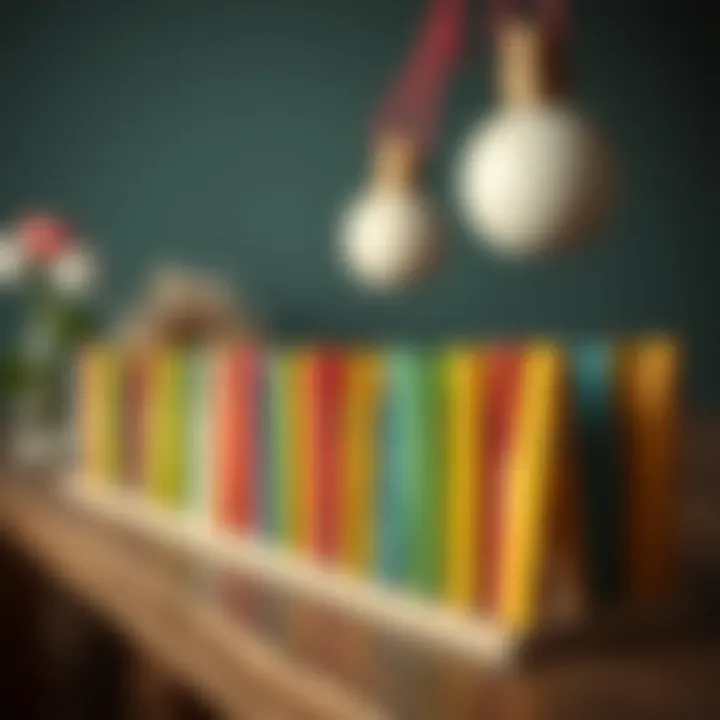
This emotional connection can result in greater satisfaction in one’s environment, leading to a more joyful experience in routine tasks. Crafting your personal atmosphere can allow individuals to express creativity through color selection, enhancing the enjoyment derived from items as simple as clothespins.
"Color is a power which directly influences the soul." – Wassily Kandinsky
Influence on Perception and Aesthetics
The perception of objects—including clothespins—can be significantly altered by their coloration. Vibrant and playful colors can make a utilitarian object feel more approachable, adding an element of whimsy and personalization. This influence affects not just individual users, but also how guests perceive your space.
- Attraction: Brightly colored clothespins may draw the eyes and stimulate curiosity. This is especially relevant in crafting and DIY projects, where the visual appeal can enhance creativity.
- Cohesion: When an aesthetic theme is chosen, such as rustic or modern, colored clothespins can either enhance or clash with that theme based on their hues and finishing.
- Cultural Context: Different cultures interpret colors uniquely, thus colored clothespins might convey different meanings in various settings.
Choosing the right hue goes beyond simple aesthetics and impacts how space feels, not just how it looks. Understanding these facets allows designers and consumers alike to create environments that resonate deeply, establishing a personal connection with their surroundings.
Cultural Significance
The impact of colored wooden clothespins goes beyond their practical use; they hold substantial cultural significance across various societies. These simple, yet striking objects serve as symbols in different contexts, often reflecting cultural values and artistic expressions. Their versatility allows them to weave into the very fabric of daily life, from the homemaker's laundry line to vivid art displays in galleries. Understanding the broader implications of these items can enhance our appreciation for their role in cultural narratives.
Symbolism Across Cultures
In many cultures, colors have specific meanings that may influence how objects are perceived. For instance, in some Eastern cultures, red resonates with good fortune and prosperity, while white might symbolize purity and mourning. Colored wooden clothespins can embody these associations, transforming a mundane tool into a subject of deeper emotional resonance. The act of hanging laundry with brightly colored clothespins can signify a celebration of life’s small victories and the beauty in everyday chores.
Moreover, during festivals, colored wooden clothespins can adorn clotheslines displaying festive garments, showcasing a community's vibrancy. They become not just tools but markers of identity and social harmony. In rural areas, clothespins may carry historical significance, linking artisans to their ancestors who crafted similar tools from natural materials.
"In every pin lies a story of culture, artistry, and environmental respect."
Regional Variations in Design
When we shift our lens to regional differences, the design of clothespins often takes on unique characteristics influenced by local cultures. In Scandinavian countries, for instance, craftsmanship is reflected in the simplicity and sturdiness of wooden clothespins, which align with a design ethos focused on functionality and minimalism. In this case, the colors used may be muted, mirroring the earth tones prevalent in Nordic landscapes.
Conversely, in tropical regions, vibrant hues dominate, echoing the natural surroundings and lively traditions. These colored wooden clothespins often feature local patterns or motifs, making them not just practical tools but also pieces of art. Handmade variations, often sold in local markets, serve as cultural ambassadors, enabling artisans to share their heritage and skills with a wider audience.
In summary, the cultural significance of colored wooden clothespins cannot be overstated. From symbolism to regional design variations, they reflect the values and identities of the communities that cherish them. These seemingly small items pack a punch in conveying cultural narratives, advocating for sustainable practices, and showcasing the artistry woven into everyday life.
For further exploration of cultural symbolism in everyday items, refer to resources such as Britannica, or delve into the fascinating discussions on Reddit.
Crafting a deeper understanding of colored wooden clothespins allows us to see beyond their utilitarian function. They become not only aids in our daily routines but also cherished objects steeped in cultural richness and artistic expression.
Challenges and Considerations
As delightful and colorful as colored wooden clothespins may appear, they come with their own set of challenges and considerations that potential buyers and users must navigate. The beauty of these objects lies not just in their aesthetic appeal but also in their practical longevity and environmental responsibility. It's vital to approach the world of colored wooden clothespins with an understanding of how these aspects can play a significant role in their utility.
Durability and Maintenance
When considering colored wooden clothespins, one primary query arises: how long will they last? After all, the charm of using colored wooden clothespins in a laundry line or craft project can quickly fade if they crumble or lose their grip. Durable clothespins are crafted from high-quality wood, often treated to withstand various weather conditions, especially if intended for outdoor use.
However, the vibrant colors can sometimes be a double-edged sword. Paint used on these clothespins may chip off over time, especially with prolonged exposure to sunlight and moisture. Thus, regular inspections and maintenance are crucial. Here are a few tips:
- Store Properly: Keep clothespins in a dry environment to avoid unwanted moisture that could weaken wood fibers.
- Check for Splits or Cracks: Regularly inspect your clothespins for any signs of wear that could compromise their usability.
- Painting and Touch-ups: If the color begins to fade, consider repainting with non-toxic paint to maintain aesthetics.
Investing a little care can extend the lifespan and functionality of colored wooden clothespins, transforming them from mere household items into lasting companions in crafts and practical applications.
Environmental Impact of Production


Another lens through which to examine colored wooden clothespins is their environmental impact. As a product crafted from natural materials, wooden clothespins can present a more eco-friendly option compared to their plastic counterparts. However, it's important to scrutinize the entire production process. Sources of wood, manufacturing practices, and even the treatment and finishing processes can significantly influence their overall sustainability.
Here are a few vital considerations:
- Sustainable Sourcing: Ensure that the wood used in making colored clothespins is sourced from sustainable forests where practices are in place to prevent deforestation.
- Chemical Treatments: Some clothespins may undergo chemical treatments to enhance durability; however, these can sometimes compromise their eco-friendliness. Opt for products that utilize water-based or low-impact finishes and dyes.
- End-of-Life Disposal: Wood products are biodegradable, but if treated with chemicals, they may not decompose as easily. Consider the lifecycle and disposal methods when choosing these items.
By focusing on these environmental aspects, users can make informed decisions that not only benefit them in their immediate context but also contribute positively towards global sustainability goals.
"Understanding the durability and environmental responsibility of colored wooden clothespins allows users to appreciate their artistry while making green choices."
Market Trends
Market trends refer to the general direction in which a market is moving, and for colored wooden clothespins, they yield valuable insights about consumer behavior, design evolution, and industry shifts. Analyzing market trends allows marketers and designers to better align their products with customer demands, ensuring relevance in an ever-changing landscape.
As colored wooden clothespins blend utility with aesthetic appeal, their market trends reflect larger societal shifts towards sustainability and personalization. The eco-conscious mindset prevalent among consumers has prompted manufacturers to prioritize sustainable materials and environmentally friendly production processes. Understanding these trends enables stakeholders to navigate market pressures while also addressing consumer desires for styles that resonate personally.
Current Market Offerings
The offerings in today’s market for colored wooden clothespins are diverse and innovative. Retailers have embraced a range of colors, styles, and functionalities that cater to various tastes and preferences. Here are some noteworthy observations about current market offerings:
- Customization Options: Many brands have started providing customizable clothespins. Customers can often choose colors, designs, or even engravings that align with personal styles.
- Variety of Sizes: Clothespins are no longer limited to traditional designs. Several brands are introducing mini and extra-large variants, appealing to different uses in households or crafts.
- Themed Sets: Market players frequently release themed collections. These sets may include seasonal colors, holiday designs, or patterns that fit specific events. For instance, vibrant pastel clothespins for spring or deeper tones for autumn.
As these offerings become available, it's evident that colored wooden clothespins are carving out a niche within home decor, craft supplies, and design communities. This adaptability has positioned them as both functional tools and decorative elements in a variety of contexts.
Consumer Preferences
When discussing consumer preferences, it's apparent that today's buyers are looking beyond mere functionality. They seek items that resonate with their identities, values, and personal aesthetics. In this context, colored wooden clothespins are emerging as fashionable items that serve practical purposes. Some prominent preferences include:
- Sustainability: More consumers prefer brands that prioritize eco-friendly materials. The wooden nature of these clothespins often aligns well with the values of environmentally-aware shoppers.
- Aesthetic Appeal: Color plays a crucial role. Customers are attracted to vibrant and trendy colors, often using these clothespins to enhance visual aspects of their living spaces or craft projects.
- Multi-functionality: The trend towards multifunctional products means that clothespins are cherished not just for laundry but for various creative applications, from art projects to home decor.
- Social Media Influence: Instagram and Pinterest have become powerful platforms for visual inspiration. Clothespins are often showcased in DIY projects and home styling ideas, sincing them to consumer trends.
$ "Stylists and designers recognize how colored clothespins are not just utilitarian but also artful, adding flair to the simplest of tasks."
Understanding these preferences not only enhances product development but also aids in crafting marketing strategies that resonate with target demographics. Ongoing market analysis proves crucial in staying attuned to these evolving consumer attitudes.
Future Predictions
As we look ahead into the world of colored wooden clothespins, it becomes imperative to consider the trends shaping their future. Their relevance continues to evolve, reflecting broader shifts in consumer behavior, technological advancements, and sustainability practices. Knowledge of these predictions not only reinforces their growing importance but also serves as a valuable resource for stylists, designers, marketers, and students aiming to stay ahead of the curve.
Innovative Uses in Design
The concept of colored wooden clothespins is no longer confined to their traditional role in laundry. Instead, they are being cleverly integrated into numerous creative avenues. Designers are beginning to think outside the box, incorporating these versatile clips into various decor projects. Here are some notable innovative uses anticipated in the coming years:
- Art Installations: Expect to see clothespins making their way into public art exhibits. Their simple form and diverse colors offer artists a unique medium for expressing complex ideas.
- Functional Furniture: Innovative designers are crafting furniture pieces that incorporate clothespins for practical applications, such as chairs that hold up fabric through strategically placed clips.
- Lighting Fixtures: Colored wooden clothespins can be fashioned into whimsical lighting fixtures, showcasing a fusion of form and function.
- Fashion Accessories: From earrings to hair clips, the colorful design of wooden clothespins is making waves in accessory circles, allowing fashionistas to showcase their creative flair.
Through these inventive applications, colored wooden clothespins are evolving into a staple in contemporary design culture.
Sustainability Trends in Manufacturing
Given the current global focus on sustainability, the future of colored wooden clothespins will likely reflect this critical emphasis. With increasing consumer awareness and demand for eco-friendly products, manufacturers are adopting more sustainable practices.
Some key trends to consider include:
- Sourced Materials: Expect an uptick in the use of responsibly sourced wood that meets sustainable forestry certifications. This would directly support environmental conservation efforts.
- Natural Dyes: The shift towards using natural and plant-based dyes instead of synthetic ones will not only appeal to eco-conscious consumers but also enhance the aesthetic appeal of clothespins.
- Recyclability: Innovations in creating recyclable or biodegradable clothespins are underway, providing consumers with guilt-free options that reduce waste.
- Local Manufacturing: There may be a movement towards local production to minimize transportation impacts and support coastal economies, resulting in a smaller carbon footprint.
Ultimately, these trends in sustainability are reshaping how manufacturers approach the production of colored wooden clothespins, aligning with consumer values while enhancing the product's appeal.
“As designers and consumers alike begin to prioritize sustainability, the humble colored clothespin will undoubtedly evolve to meet these changing demands, reinforcing its place in the household and beyond.”