
Exploring Fashion Dresses for Ladies: A Comprehensive Guide
Intro
Fashion is a vibrant expression of individuality, and among its many components, dresses hold a special place in the hearts of women across the globe. A dress is not merely a piece of fabric; it embodies culture, history, and personal style. Every seam and silhouette tells a story, from the audacious hemlines of the 1920s flapper dresses to the minimalist designs of today.
In this exploration, we will delve into the multifaceted realm of women's fashion dresses, offering a comprehensive guide that sheds light on various styles, materials, and contemporary trends. Whether you are a stylist, a designer, or simply a fashion aficionado eager to broaden your horizons, this guide aims to illuminate the intricate details that influence women's dress choices today.
Here, we will embark on an insightful journey through the latest seasonal trends, iconic styles making a comeback, and practical style tips to navigate the many occasions life throws your way. Moreover, we will touch on the impacts of sustainable fashion, providing you with a deeper understanding of how current societal values shape the fashion landscape.
With a focus on enriching your perspective, this overview will help you approach fashion with a critical eye and an appreciation for its ever-evolving nature. Get ready to unravel the unique tapestry of women's fashion dresses—let's begin!
Intro to Fashion Dresses for Ladies
Fashion dresses serve as a significant thread in the intricate tapestry of a woman’s wardrobe, reflecting not just personal style but also cultural narratives. From flirty sundresses perfect for a summer gathering to elegant evening gowns that steal the show on formal occasions, dresses are versatile pieces that cater to a multitude of tastes and situations. The exploration of fashion dresses is pivotal as it enhances our understanding of how these garments shape identity, provide comfort, and communicate societal trends.
Dresses are more than mere clothing; they encapsulate emotions and experiences. When a woman selects a dress, it often involves hundreds of subconscious choices that speak to her mood, the setting, and her own narrative. Whether that dress is a vibrant floral pattern snugged at the waist or an archetypal little black number, it contributes to a larger conversation about fashion as a form of personal expression. The significance of this guide lies in examining how different elements, such as styles, cuts, and fabrics, interplay to define the dress's overall impact, and subsequently, the wearer's self-perception.
The examination delves into essential aspects such as dressing for one's body shape, understanding the cultural influences behind design choices, and adapting to the trends that revolve around us. By addressing these facets, we illuminate the choices available, empowering readers to make informed decisions when venturing into the world of women's fashion dresses.
Defining Fashion Dresses
At its core, a fashion dress can be described as a one-piece garment that typically covers the body and extends downwards, often designed to accentuate different aspects of femininity. Yet, this definition barely scratches the surface of what dresses represent in the vast, ever-evolving realm of fashion. Dresses come in countless styles, each tailored to evoke different sentiments and match various occasions.
The spectrum ranges from the structural elegance of a tailored sheath dress to the relaxed allure of a maxi dress that flows with movement. A-line, bodycon, and shirt dresses make up just a fraction of this expansive universe. Each category serves not only different aesthetics but also caters to practical considerations; for instance, an A-line dress can be flattering on many body types, making it a go-to choice for various events. As trends shift, so too do the definitions and purposes of dresses—changing societal attitudes, cultural currents, and even global events can influence what’s deemed fashionable in any given moment.
The Role of Dresses in Women's Wardrobe
Dresses play a fundamental role in women's wardrobes, often standing as the backbone for a wide array of outfits. Unlike separates, dresses provide an effortless way to create an ensemble—often requiring little more than the right accessories to polish off the look. This inherent simplicity makes dresses desirable for women who are pressed for time but still wish to make an impression.
Moreover, the significance of dresses can be underscored through their adaptability; they can be dressed up for formal gatherings or dressed down for casual outings. With the appropriate adjustments in terms of shoes, jewelry, and outerwear, a single dress can transition from day to night or from office to evening plans in a snap.
In addition to their practical benefits, dresses often carry cultural weight. They can act as markers of identity, tradition, or even rebellion, depending on context and styling. For instance, a traditional kebaya in Indonesia or a flamenco dress in Spain are embodiments of culture that evoke pride and heritage. Understanding this multifaceted role of dresses in women's wardrobes unveils a deeper appreciation for fashion's ability to reflect life’s various narratives.
Historical Perspectives on Women's Fashion
Understanding the historical perspectives on women's fashion is like unlocking a treasure chest of cultural narratives and social movements. Over the ages, fashion has been a powerful expression of identity, social standing, and the shifting winds of societal values. By examining how dress styles evolved, cultural influences melded, and iconic figures shaped fashion norms, we can gain deeper insights into the present state of women's attire. This exploration not only educates but also inspires current and future generations of stylists, designers, and marketers to appreciate the roots of what they create or promote today.
Evolution of Dress Styles Through the Ages
The journey of women's dress styles is marked by remarkable transformations that reflect broader societal changes. We can trace the evolution from the flowing, draped garments of ancient civilizations to the structured silhouettes of the Victorian era and further into the liberated forms of modern fashion. Each phase tells a story:
- Ancient Civilizations: Women’s garments were often functional yet ornate, crafted from natural materials like linen and wool. The Greeks, for instance, favored the chiton, a simple tunic that could be styled various ways, adapting to both practical needs and decorative desires.
- Middle Ages: By this time, fashion became more about social status. The more fabric and embellishment a woman could afford, the higher her standing. Gowns began to take on more elaborate structures, often cinched at the waist, which provided a message of opulence.
- Renaissance: Enter the corset, making its grand debut. It reshaped the female form, creating an exaggerated hourglass silhouette that symbolized sophistication. Dress became a canvas for artistry with intricate embroidery and sumptuous fabrics like velvets.
- 20th Century to Present: The liberation movements birthed practical styles. The flapper dress of the 1920s symbolized not just fashion but also a cultural shift towards women’s rights. Fast forward to today's technologically-influenced designs and we see high fashion colliding with street styles.
The evolution of styles illustrates how fashion is intertwined with the cultural and social climate of its time.
Cultural Influences on Dress
Fashion doesn't exist in a vacuum; it is deeply entwined with the cultural fabric of society. Various cultures have continuously intermingled, leading to a rich tapestry of influences in women's dress. Different eras have seen specific trends arising from political, social, and economic climates. Consider these influences:
- Colonialism: As the world evolved toward globalization, so did fashion. The exchange of fabrics and styles among colonies resulted in diverse dress trends. For example, the fusion of Eastern textiles with Western tailoring created new looks that were both exotic and elegant.
- Art Movements: From the Art Nouveau and Bauhaus to the Pop Art of the 1960s, artists have influenced fashion designers. These movements encouraged bold patterns and innovative cuts that broke away from tradition, reflecting the changing mindset of the public.
- Technology: Innovations in fabric technology have led to the use of synthetic materials that revolutionized dress design in the mid-20th century. Now, designers can create textiles that offer comfort while maintaining aesthetic appeal.
Understanding these cultural threads that weave through fashion styles enhances our comprehension of the modern dress landscape, which pays homage to its eclectic heritage.
Fashion Icons and Their Impact
Throughout history, certain figures have transcended their roles to become icons of fashion. These individuals have not only defined personal style but have also influenced broader trends and societal perceptions:
- Coco Chanel: A trailblazer in redefining women's fashion, Chanel’s introduction of the little black dress and her emphasis on simplicity and comfort altered the course of women’s dress.
- Audrey Hepburn: Known for her impeccable taste, Hepburn popularized the Breakfast at Tiffany’s look, where simplicity met elegance, establishing a timeless standard that still resonates.
- Rihanna: In more contemporary contexts, figures like Rihanna have had a significant impact on fashion through fearless style choices and campaigns for inclusivity. She embodies the blend of personal expression and cultural influence.
Fashion icons serve as lens through which we can view evolving societal norms, aspirations, and values.
"Fashion is a language that creates itself in clothes to interpret reality." - Karl Lagerfeld
By delving into the historical perspectives on women's fashion, it becomes evident that each unique dress style echoes a voice from the past, while shaping the future of fashion narratives.
Current Trends in Fashion Dresses
In the ever-evolving world of women's fashion, recognizing current trends in dresses is fundamental. Trends can shift rapidly, and understanding them allows individuals to make informed choices about their wardrobes. This section will dive into seasonal trends, popular styles, and the impact of social media on dress selection, revealing how these elements contribute to the broader understanding of fashion. With constant innovation in patterns, cuts, and fabrics, being attuned to what’s trending not only enhances personal style but also keeps women connected to contemporary culture.
Seasonal Trends and Color Palettes
Fashion dresses come alive through seasonal changes, reflecting the ebb and flow of nature's palette and influencing moods. Knowing which colors resonate with the season can elevate any dress wardrobe.
Spring/Summer Favorites
When spring rolls around, a refreshing wave of pastel colors and vibrant floral prints emerges. Dresses in shades like soft pinks, lively yellows, and mint greens capture the essence of blooming flowers and sunshine. Spring/Summer favorites represent lightness and freedom, making them a go-to choice as warmer weather beckons.
One key characteristic of these dresses is their use of breathable fabrics, such as cotton and linen. These materials provide comfort during the hotter months, ensuring wearability without sacrificing style. A drawback, however, might be their tendency to wrinkle more easily.
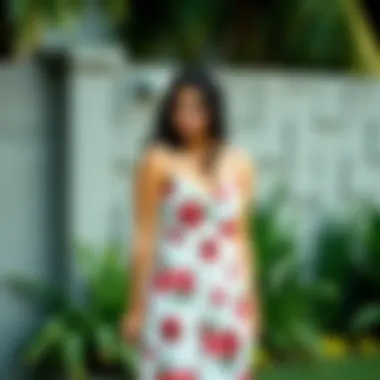

Unique features like floral patterns and lightweight, flowing silhouettes make Spring/Summer dresses ideal for outdoor gatherings and vacations. As a note, these styles often transition into casual settings, offering versatility in styling.
Fall/Winter Essentials
As temperatures dip, the Fall/Winter essentials emerge with deeper hues and richer textures. Colors like burgundy, forest green, and navy become prevalent, mirroring the changing leaves. This seasonal shift calls for heavier materials like wool and velvet, ideal for layering.
The coats and jackets paired with dresses during this season serve as more than just warmth; they add a chic layer to an outfit. One notable trait is the incorporation of long sleeves and thoughtful detailing, such as turtlenecks or draped designs. Lightweight fabrics may not suffice in the winter chill, but the trade-off for warmth is beneficial when styling for colder climates.
Popular Dress Styles
Understanding what styles are popular today keeps wardrobes fresh and relevant. Each dress type offers unique advantages that cater to different tastes, occasions, and body types.
A-Line Dresses
A-Line dresses feature a fitted top with a flared skirt that gently widens, creating a shape reminiscent of the letter "A". This style is universally flattering, making it suitable for various body shapes. Its versatility is a major draw, as it can be dressed up with heels and accessories for formal occasions or paired with sandals for a more casual look.
While typically made from a variety of materials, their flowy silhouette allows for movement, which is a noteworthy advantage when comfort is a priority. However, some might find the skirt length can be limiting during certain activities.
Maxi Dresses
Maxi dresses are characterized by their long lengths and can serve a multitude of purposes. They are often made from lighter materials in summer, while thicker versions cater to winter months. The flowing design grants ease and a sense of relaxed elegance, making maxi dresses a popular choice for beach outings or casual gatherings.
One unique feature of maxi dresses is their ability to be layered. A jacket or shawl can be easily added for a different look. However, the length may pose a challenge, especially in crowded spaces or if walking is involved.
Shift Dresses
Shift Dresses offer a boxy fit that usually falls just above the knee, known for their comfort and simplicity. They are easy to slip on, making them an essential part of an on-the-go woman's wardrobe. With less emphasis on waist definition, shift dresses cater well to those who prioritize ease and movement.
One characteristic that makes shift dresses appealing is their adaptability—they work beautifully for both day and night with simple styling tweaks. However, their looser fit might not appeal to those who prefer more structured clothing.
Influence of Social Media on Fashion Choices
In today's digital age, social media plays a pivotal role in shaping fashion choices. Platforms like Instagram and Pinterest offer endless inspiration, showcasing the latest trends on various influencers and celebrities. This became a major shift in how women discover dress styles. The instantaneous nature of sharing allows trends to explode rapidly, creating a culture of immediacy in fashion.
Women now engage more with brands and styles by following their favorite personalities, leading to informed, yet highly individualized, choices.
The visual nature of these platforms often means trends can both rise and fall in a flash. A dress seen on social media might become a sought-after item overnight, demonstrating the powerful cycle of influence in today’s fashion landscape.
Materials and Fabrics in Dress Design
The selection of materials and fabrics plays a pivotal role in dress design, as it directly influences not only the aesthetic appeal but also the comfort and functionality of the garment. Different fabrics can enhance a dress’s overall look, durability, and even its suitability for various occasions. In a world where sustainability is becoming increasingly prioritized, understanding the types of materials available is essential for both designers and consumers. The interplay between fabric choice and the final design showcases the importance of careful consideration in the dress-making process.
Natural vs Synthetic Fabrics
Diving into the world of fabrics, we encounter two primary categories: natural and synthetic. Natural fabrics, such as cotton, linen, wool, and silk, are derived from plants or animals. They are often lauded for their breathability, comfort, and biodegradability. For instance, cotton is a highly favored material for casual dresses because it absorbs moisture and is easy to care for. Wool, on the other hand, provides warmth, making it suitable for colder seasons.
Contrastingly, synthetic fabrics like polyester, nylon, and rayon are man-made. These materials tend to be more resistant to wrinkling and shrinking, which can be a blessing when it comes to maintenance. However, they sometimes lack the comfort or breathability found in natural fabrics. It's worth noting that innovations in textile technology are blurring the lines between these categories. For example, blends of cotton and polyester combine the best of both worlds, providing comfort along with durability.
"The choice between natural and synthetic fabrics should be dictated by personal preference and the specific context in which the dress will be worn."
Sustainable Materials in Fashion
Sustainability in fashion is not just a buzzword—it's a vital consideration for the future of the industry. As awareness grows, designers and brands are increasingly turning to eco-friendly materials such as organic cotton, Tencel, and hemp. Organic cotton is cultivated without harmful pesticides, while Tencel, derived from sustainably sourced wood pulp, is known for its softness and luxurious feel. Hemp, on the other hand, is a powerhouse; it grows rapidly, needs little water, and is highly durable.
Adopting these sustainable fabrics can significantly reduce the environmental impact associated with traditional dress manufacturing processes. Moreover, consumers are gaining more awareness about the effects of their clothing choices on the planet.
Fabric Care and Maintenance
Once the fabric is chosen and the dress crafted, the care routine becomes crucial in prolonging the garment's lifespan. Different fabrics have unique care requirements that should be adhered to in order to maintain their appearance and functionality. For example, delicate fabrics like silk often require dry cleaning to avoid damage, while cotton may simply need a gentle wash and line drying.
Here are some key tips for fabric care:
- Always check the care label: Each dress often has specific instructions that should be followed.
- Avoid high heat: Using hot water or high heat in the dryer can cause shrinkage, especially in natural fabrics.
- Store properly: Hanging delicate dresses can lead to stretching, while folding heavier materials may create creases.
Maintaining your dresses not only keeps them looking new but also helps you get the most out of your investment. Understanding the nuances of fabric care can empower you as a consumer, ensuring that your choices align not just with your style, but with longevity and practicality as well.
Dress Styling Tips for Women
Dress styling is an art that merges creativity with practicality. In the realm of fashion dresses for women, accentuating personal style can truly elevate an outfit, turning simple into stunning. These tips not only enhance the overall look but also provide a sense of confidence. Knowing how to style a dress can make a significant difference in how it is perceived, whether it's for an event, work, or just a casual outing. The right approach can turn heads, provoke compliments, and make a lasting impression.
Accessorizing Your Dress
Accessorizing is like the icing on the cake; it can take a beautiful dress and make it extraordinary. Think of the dress as a canvas, where accessories serve as the colors that bring it to life. Whether it’s a statement necklace or a pair of delicate earrings, these little touches can carry a weight of significance. Consider a chunky bracelet for a bohemian dress, or a sleek clutch for a more formal look.
Some principles to keep in mind when accessorizing:
- Balance: Aim for a cohesive look. If your dress has bold patterns, keep accessories simple. Conversely, a solid color may welcome more elaborate or colorful additions.
- Proportion: Larger accessories can overwhelm petite frames, while too subtle touches may get lost on fuller figures.
- Occasion: Tailor your accessories to match the dress code—what works for a garden party won’t necessarily fit a boardroom.


"Fashion is the armor to survive the reality of everyday life." - Bill Cunningham
Footwear Choices to Complement Dresses
Footwear might just be the most critical element in completing your dress ensemble. The shoe can either clash or complement, making the difference between looking polished or frumpy. This means understanding not just style, but also the function they serve.
- Types of Footwear: For casual dresses, options like sandals, loafers, or ankle boots can offer comfort while staying stylish. Formal occasions might call for heels or dressy flats.
- Season Sensibility: Summer dresses often pair well with open-toed shoes or espadrilles, while winter garb requires closed-toed boots or stylish pumps.
- Color Coordination: Matching shoe colors with the dress enhances flow, while contrasting colors can add a pop of excitement. Don’t shy away from textures either—mixing leather with fabric adds an intriguing layer to your look.
Layering Techniques
Layering isn’t just for colder weather; it can be a brilliant way to add depth to a dress outfit year-round. Mastering the art of layering enables one to express their style while adapting to various environments.
- Essential Layers: Consider a leather jacket over a feminine dress for an unconventional twist, or a cardigan for a softer touch.
- Scarves and Wraps: These can transform the silhouette, providing warmth and elegance. Opt for vibrant prints to make a statement or go with neutral tones for versatility.
- Experimentation: Different textures create interest. Try pairing a lace dress with a denim jacket for a captivating contrast. The key is to ensure that layers are added strategically to maintain a sleek overall appearance.
Fashion for Different Body Types
Understanding fashion for different body types is crucial for creating a harmonious wardrobe that empowers women of all shapes and sizes. Fashion isn't a cookie-cutter genre; it's a vibrant tapestry woven from the unique characteristics of individual bodies. Knowing how to dress according to one's body type can enhance confidence, accentuate strengths, and minimize perceived flaws. This section aims to break down body shapes, offer insights on finding the right fit, and ultimately guide women in making sartorial choices that reflect their personal style while being flattering.
Understanding Body Shapes
When it comes to ladies’ fashion, recognizing body shapes is the first step towards style success. Generally, women are categorized into specific body shapes, including the pear, apple, hourglass, rectangle, and inverted triangle. Each of these shapes has unique characteristics that can influence dress selection.
- Pear Shape: This body type typically features a smaller upper body with wider hips. The key is to accentuate the waist and use dresses that widen at the bottom, such as A-line or fit-and-flare styles.
- Apple Shape: With fuller busts and narrower hips, this body type benefits from flowing dresses that create a balanced look. Empire-waist dresses and shift dresses can flatter this shape beautifully.
- Hourglass Shape: Characterized by a well-defined waist and balanced proportions, this body type often looks stunning in body-hugging dresses. Wrap dresses or those that cinch at the waist can highlight curves without feeling restrictive.
- Rectangle Shape: Women with this shape tend to have similar measurements across the bust, waist, and hips. Dresses that add volume around the hips or bust, like ruffled dresses or peplum styles, can create the illusion of curves.
- Inverted Triangle: Characterized by broader shoulders and narrower hips, a-line and skater dresses can help achieve a more proportional silhouette by drawing attention away from the shoulders.
Understanding these distinctions is paramount, as it allows women to choose styles that resonate with their unique forms. The ideal dress is one that makes each woman feel comfortable in her own skin while projecting her personality.
Finding the Right Fit
Finding the right dress fit can feel daunting, yet it's essential for looking polished and feeling confident. Every brand has slightly different sizing, and it’s vital to remember that measurements are your best ally.
- Know Your Measurements: Take accurate measurements of your bust, waist, and hips. Having this knowledge handy will facilitate selecting dresses that fit nicely.
- Size Variety: Different styles may fit differently. A fitted dress may require a different size than a loose, flowing one. Being flexible about sizes is important; remember, a number shouldn't define your style.
- Fabric Considerations: Fabrics play a significant role in how a dress fits. Stretch materials can provide comfort while allowing for movement, while more rigid fabrics may offer structured elegance.
- Tailoring is Key: Sometimes, a dress might not fit perfectly off the rack but could be easily altered. Don’t shy away from visiting a tailor; a small adjustment can turn a good dress into a stunning one.
- Comfort First: Always prioritize comfort. The right dress should allow ease of movement without compromising style. If you're tugging at a dress, it’s time to reassess.
Fashion is all about expressing oneself and feeling comfortable in one's own skin. By understanding body shapes and finding the right fit, women can navigate the world of fashion dresses with confidence and grace.
The Elegance of Formal Dresses
In the storied realm of fashion, formal dresses hold a distinguished place. They epitomize not just style, but the very essence of elegance. Formal dresses are often the attire of choice for significant occasions, such as weddings, galas, and corporate events, where the aim is not only to dress appropriately but also to make a memorable impression. Their design often incorporates intricate details that speak volumes about craftsmanship, making them a favorite among fashion enthusiasts and tastemakers.
The importance of formal dresses in a woman’s wardrobe cannot be understated. These garments are crafted to enhance the wearer’s silhouette while exuding sophistication. In many ways, a well-chosen formal dress acts as a canvas on which personal expression is painted. Considerations like fit, fabric, and style all play a vital role in an individual’s overall appearance, allowing each woman to communicate her personality and artistry through her choice of dress.
When one dons a formal dress, it often channels an embodiment of confidence and poise. This transference of confidence can significantly impact how an individual is perceived in social and professional settings. A carefully selected dress can elevate a woman’s presence, making her glow not just from the fabric, but from self-assurance as well.
"Dressing well is a form of good manners." – Tom Ford
Understanding Formal Dress Codes
Formal dress codes can often appear complex at first glance. However, breaking them down is essential for making an informed choice when selecting a formal dress. The primary categories include black tie, white tie, cocktail attire, and semi-formal attire. Each category holds its own nuances that reflect level of formality and appropriateness for various events.
- Black Tie: Typically calls for floor-length gowns for women, and these should often be made of luxurious fabrics like silk or satin.
- White Tie: This is the most formal dress code, where evening gowns are expected, often adorned with elegant embellishments.
- Cocktail Attire: A bit more relaxed, this allows for knee-length dresses, often in playful designs or colors.
- Semi-Formal: This category sits in between, allowing for both long and short dresses, depending on the time of the event.
Understanding the dress code not only aids in making the right choice but also ensures that individuals do not feel out of place in social settings where dress expectations are maintained.
Fabrics and Designs for Formal Occasions
The choice of fabric and design can make or break a formal dress. For example, heavier fabrics such as taffeta or brocade tend to align well with structured silhouettes, characteristic of classic elegance. In contrast, lighter materials such as chiffon or silk can create ethereal looks for evening events that demand a touch of subtlety.
Key fabrics for formal dresses include:
- Silk: Known for its luxurious sheen and drape, often preferred for its elegance.
- Satin: A favorite for formal occasions, satin gives a polished look that feels indulgent against the skin.
- Lace: Brings both texture and romantic flair to any formal dress, often used in overlays or detailing.
In terms of design, the classic styles such as A-line or mermaid cuts remain timeless but continue to evolve with trends, playing with elements like color and detailing. Gathers, pleats, and beading can either elevate a dress’s sophistication or offer a touch of whimsy, depending on where they are placed. Ultimately, the right fabric paired with a well-thought-out design not only adds to the aesthetic appeal but also to the wearer's comfort, which is crucial for enjoying any formal event.
Casual Dresses: Comfort Meets Style
Casual dresses represent a harmonious blend of comfort and style, greatly influencing women's wardrobes today. The importance of these dresses cannot be overstated; they serve as a wardrobe staple that offers flexibility across various occasions. Whether heading to a weekend brunch, running errands, or enjoying a leisurely day at home, casual dresses make dressing up effortless while ensuring one feels comfortable and chic.
Key elements to consider in casual dresses include:
- Fabric Choices: Light, breathable materials enhance comfort. Cotton, linen, and jersey fabrics are some common picks. They allow for movement, making them ideal for everyday wear.
- Style Variations: From simple t-shirt dresses to more structured shifts, there’s a casual dress style for everyone. These variations let women express their individuality while remaining comfortable.
- Ease of Layering: Casual dresses can be easily accessorized and layered with jackets or cardigans, providing versatility in style depending on the season.
- Appropriateness for Casual Gatherings: Whether it’s a picnic in the park or casual Friday at work, these dresses fit seamlessly into many social contexts.
The benefits of wearing casual dresses are manifold:
- Comfort: First and foremost, they prioritize ease of wear. Stretchy materials can often feel like a second skin, perfect for busy days.
- Simplicity in Styling: There’s something wonderfully straightforward about slipping on a dress. Add sandals or sneakers, and you’re good to go!
- Timelessness: Fashion trends may come and go, but casual dresses have maintained a semblance of timeless appeal, making them a worthy investment.
- Accessibility: Affordable options abound, from high-street shops to thrift stores, ensuring that fashion is within reach for various budgets.
"The beauty of casual dresses lies in their simplicity and versatility. They effortlessly meld style with comfort—truly a must-have for every woman's closet."
Everyday Wear Essentials
When one thinks of ‘everyday wear essentials’, casual dresses inevitably come to the forefront. So, what makes these items essential? Let’s dive deeper.
Having a few key casual dresses in a rotation can simplify getting dressed.
- Classic Wrap Dress: This is an adaptable piece suitable for various occasions, offering a flattering silhouette on many body types.
- Midi Shirt Dress: Often marked by its comfortable fit, this type of dress is easily paired with sneakers or sandals, making it perfect for day trips.
- Maxi Dress: Long, flowing fabrics provide coverage while keeping things lightweight. Perfect for sunny outings or garden parties.
- T-Shirt Dress: Not just for lounging at home, this dress can be dressed up with the right accessories, giving it an edge for casual outings.
With these essentials in a wardrobe, dressing becomes hassle-free, allowing for a more comfortable day-to-day experience.
Versatile Casual Styling
Casual dresses shine particularly in their versatility, allowing women to tailor them to various situations with relative ease. It's not just about putting on a dress; it's the creative styling that transforms the look.
Here are some creative ways to style casual dresses:
- Layer with Denim or Leather Jackets: This is a classic move that instantly cools down a look. Think soft prints beneath a rugged jacket to balance feminine and edgy vibes.
- Use Accessories Liberally: Scarves, statement jewelry, or a chic belt can add flavor to a basic dress. A well-placed belt can accentuate the waist, transforming the dress into a tailored piece.
- Footwear Considerations: The right shoes can change the entire vibe. Sandals for a laid-back feel, ankle boots for a trendy touch, and classic flats for all-day comfort.
- Shifting Between Casual to Semi-Formal: With careful accessorizing, a casual dress can move from day to night effortlessly. Just switch your footwear and add a bold piece of jewelry; you’re set for an evening out.
The Rise of Eco-Conscious Fashion
As the world grapples with the adverse effects of climate change and environmental degradation, the fashion industry isn't left untouched. The rise of eco-conscious fashion is not just a fleeting trend; it signifies a pivotal shift in how dresses for ladies—and indeed all of fashion—are created, marketed, and consumed. Understanding this movement is crucial, not only for consumers but also for stylists, designers, and marketers looking to align themselves with a more sustainable future.
The importance of eco-conscious fashion lies in its potential to minimize waste, reduce carbon footprints, and promote fair labor practices. With individuals increasingly aware of their purchasing power, the demand for sustainable options in fashion has surged. This expansion requires a thoughtful examination of how dresses made from eco-friendly materials can be both stylish and ethical—showing that looking good and doing good can go hand in hand.
Sustainable Practices in Dress Production
Sustainable practices in dress production encompass several key elements that aim to reduce the environmental impact of creating clothing. These practices range from sourcing materials to manufacturing processes, each playing a vital role in forming a sustainable fashion ecosystem.
- Material Sourcing: Many designers today opt for organic cotton, Tencel, or recycled fabrics, which consume less water and energy compared to conventional textiles.
- Ethical Labor: Adhering to fair wage and labor practices ensures that workers in the fashion supply chain are treated with dignity. This includes avoiding exploitative labor conditions in developing countries.
- Waste Management: Effective waste management strategies are vital in reducing fabric scraps that typically end up in landfills. Some brands repurpose leftover materials or donate them for re-use.
- Low-Impact Dyeing: Use of natural dyes or eco-friendly synthetic dyes provides vibrant colors while safeguarding the environment from harmful chemicals.
Shifting to these sustainable practices presents a challenge but also an opportunity for innovation within the fashion sector. Brands that commit to these methods are more likely to resonate with today's conscientious consumers.
Consumer Awareness and Choices
The contemporary shopper is not just passive; they are increasingly active in making informed decisions regarding their fashion choices. Consumer awareness about the impact of fast fashion has grown, leading buyers to favor brands that align with sustainable practices. Here are some considerations shaping consumers' decisions:
- Transparency: Customers often seek brands that are transparent about their sourcing and production processes. This has led to the popularity of labels that share their ‘story’ and the journey of their fabrics.
- Quality Over Quantity: Many consumers prioritize purchasing fewer pieces that are made to last over cheap, trendy items that may quickly fall apart, embracing a more mindful approach to consumption.
- Second-Hand and Upcycled Fashion: The trend toward vintage finds and upcycled dresses has gained significant traction, promoting sustainability and encouraging a circular economy.
- Certifications and Labels: Labels such as GOTS or Fair Trade can influence consumers' choices, as they denote adherence to sustainable and ethical standards.
"Fashion isn’t just about what you wear; it's about understanding the impact of your choices on the world."
Future Trends in Women's Fashion Dresses
The landscape of fashion is ever-changing, constantly morphing into new shapes and styles. As we peer into the horizon, the trends shaping women's fashion dresses stand as a testimony to the evolution of taste and technology. Understanding these trends not only allows enthusiasts to stay ahead of the curve but also provides valuable insights for designers and marketers looking to tap into the zeitgeist of consumer culture.
Technology in Fashion Design
In recent years, technology has wormed its way into various aspects of life, and fashion design is no exception. The innovation is not merely confined to the creation of new fabrics or dress patterns, but it encompasses a much broader scope, including how we conceptualize fashion itself.
- Digital Fabric Printing: This allows designers to create complex patterns by printing images directly onto fabric. Gone are the days of tedious hand-painting or screen printing. With this technology, every designer releases their creative juices without limiting their inspiration by traditional methods.
- 3D Printing in Fashion: The idea of crafting a dress from scratch through 3D printing is becoming increasingly mainstream. Designers can develop intricate, customized pieces tailored specifically to the wearer. This personal touch adds a layer of intimacy to fashion that resonates well with modern consumers.
- Fashion Tech Wearables: Tech-integrated clothing is gaining traction as more people embrace their multi-functional aspect. Dresses that can change color based on temperature or that include built-in fitness trackers are beginning to emerge, thus marrying fashion with utility.
- Sustainable Fashion Technology: Environmental concerns have never been more pressing. Thus, innovations in technology that contribute to sustainable practices are here to stay. From efficient fabric recycling methods to lab-grown materials, technology is providing environmentally friendly alternatives that meet consumers' ethical expectations.
The Influence of Globalization
Globalization has acted as a bridge, connecting different cultures and bringing a variety of influences into the world of women’s fashion dresses. With the ease of access to different styles, textures, and fabric techniques from around the globe, the singularity in fashion is slowly fading.
- Cultural Blending: Dresses are no longer confined to traditional designs. Inspiration can be drawn from various cultures—from Indian lehengas incorporated into Western wedding attire to African prints dominating summer collections. This blending allows for a beautiful, diverse tapestry of fashion that reflects our interconnected world.
- International Fashion Weeks: The platforms like Paris, Milan, and New York Fashion Week have become melting pots, showcasing the intricacies of global fashion. Designers from various regions bring their unique viewpoints, and audiences are treated to a myriad of styles that go beyond borders.
- E-commerce and Fashion Accessibility: With the rise of online shopping, brands are now able to reach consumers worldwide. A woman in Tokyo can easily purchase a cocktail dress from a boutique in Paris. This accessibility helps diversify tastes and allows trends to spread more quickly than before.
Fashion is no longer confined by geographical boundaries; it mirrors a world that is increasingly intertwined.
- Cultural Responsiveness: Today's designers are more aware of the cultural significance behind certain styles. They strive to honor traditions while creating pieces that resonate with contemporary sensibilities.
As we look ahead, it is clear that the future of women's fashion dresses is not just about what we wear but about how we engage with our society, technology, and the global community. Understanding these trends provides a fuller picture of contemporary and future fashion landscapes.
Epilogue: The Continuous Evolution of Fashion Dresses
The world of fashion dresses is an ever-shifting landscape, and understanding its evolution offers a window into society as a whole. This exploration of dresses not only reflects personal tastes but also highlights changing social dynamics, technology, and cultural influences. In studying how dresses have transformed, we glean insights into women's rights, body image, and even economic trends.
Dresses have served as mediums of self-expression, allowing women to embody their identities through cutting-edge styles or nostalgic classics. Each era's dress trends reveal what was valued—be it femininity, liberation, or comfort. Ultimately, the continuum of dress design informs us about women’s positions in society and their movements toward empowerment.
"Fashion is a language that creates itself in clothes to interpret reality." – Karl Lagerfeld
Personal Expression Through Dress
Every woman has the opportunity to use dresses as a personal canvas. From the elegant ball gown to the casual sundress, the choices reflect not just fashion trends but an intrinsic desire to express individuality. Utilizing patterns, colors, and cuts, women can communicate their moods and personalities. In today’s climate, where self-expression is championed, dresses become powerful tools of identity.
In different cultures, traditional dresses have stories to tell. For instance, the intricate embroidery of a Mexican huipil or the flowing elegance of a Japanese kimono works as a visual history of their people. This cultural tapestry emphasizes a level of connectedness that transcends individual expression; it celebrates collective heritage. The ability to select these garments can be an act of pride and assertion, reinforcing a woman’s place in a modern world that values authenticity.
A Forward-Looking Perspective
Looking to the future, one can observe that the merging of technology and fashion points towards an exciting new era. Innovations like 3D printing and wearable tech are redefining what dresses can be, both in terms of style and function. Envision smart fabrics that change color with the mood of the wearer, or garments designed to fit perfectly without altering.
Furthermore, the continuous push for sustainable practices in fashion can reshape how dresses are produced and consumed. As consumers become more aware of the environmental impact of fast fashion, an emphasis on eco-friendly choices will likely lead to a resurgence of vintage styles and more handcrafted designs.
As styles evolve and women’s roles diversify globally, the fashion dress will undoubtedly continue to adapt. The elegance of adaptability—that's what makes fashion timeless. The ongoing dialogue between traditional practices and modern innovations will keep shaping dresses for the next generation, ensuring that every woman finds a piece that resonates with her journey.
As we move forward, let us remain committed to understanding and participating in this ongoing evolution, acknowledging that fashion is not merely about clothing but also about storytelling and empowerment.
For further insights into fashion trends and techniques, do visit Wikipedia on Fashion or Britannica's Fashion Overview. Engage with communities discussing the latest in style at Reddit's Fashion Community and share your thoughts on platforms like Facebook.