Southwestern Canvas Wall Art: Culture Meets Style

Intro
Southwestern canvas wall art offers more than just eye-catching aesthetics; it's a deep well of cultural heritage that resonates with anyone who appreciates artistry infused with history. Originating from the rich indigenous traditions, vibrant colors, and diverse landscapes of the Southwestern United States, this genre of art reflects a unique blend of influences that still captivate modern audiences.
Understanding its roots goes beyond mere admiration of its beauty. Southwestern art serves as a narrative canvas, where each piece whispers tales of ancient cultures and contemporary interpretations. Whether you’re intrigued by the geometric patterns of Native American tribes or the sun-soaked landscapes that inspire countless artists, there's no denying the profound impact these artworks can have in home decor.
In this article, we will navigate the intricate world of southwestern canvas wall art, highlighting its cultural significance, aesthetic appeal, and practical applications in today's interiors. \nGet ready to explore various artistic styles, historic roots, and how these artworks serve as both decorative elements and storytelling mediums. Our guide will also provide practical advice on selecting and integrating these pieces into your own space, enriching it with layers of meaning and authenticity.
Now let's dive into the latest trends that are shaping the contemporary southwestern art scene.
Prelude to Southwestern Canvas Wall Art
Southwestern canvas wall art represents not just a form of decoration, but an intricate weave of cultural narratives and aesthetic values that resonate deeply with both native traditions and contemporary expressions. This vibrant art form offers a window into the folkloric and natural elements unique to the Southwestern United States, creating an engaging dialogue between the past and the present. For enthusiasts, collectors, or those merely looking to elevate their interior décor, understanding this genre is essential.
Defining Southwestern Art
To grasp the essence of Southwestern canvas art, one must first understand its defining characteristics. Southwestern art is recognized for its bold colors, dynamic patterns, and symbolism influenced by the land, the indigenous tribes, and the multicultural history of the region. The combination of Native American influences with Spanish colonial aesthetics creates a rich tapestry of imagery and feeling. The use of natural materials like clay, stone, and, more recently, canvas, showcases not only the beauty but also the resilience of artistic practices passed down through generations.
Prominent features often include vibrant hues of terracotta, turquoise, and rust, commonly associated with the desert landscape. Shapes and forms often include stylized representations of local wildlife, Native American motifs, and architectural silhouettes, all contributing to a unique visual language that speaks to both cultural identity and place.
Historical Context
The historical context behind Southwestern canvas art is extensive, deeply rooted in the rich heritage of the area. The art is a reflection of stories told through generations, each stroke of the brush symbolizing experiences of both joy and struggle. From pre-Columbian civilizations to the Spanish colonization and into contemporary times, the art reflects an ongoing conversation that speaks to diverse influences.
In the early days, indigenous people like the Navajo and Hopi created stunning pottery and textiles, which laid the foundational elements for contemporary art forms. The arrival of European settlers brought new techniques and perspectives, further diversifying the artistic landscape. Each period in history added layers to the interpretation and evolution of opulent artistic expressions, making it critical to understand the socio-political dynamics accompanying these changes.
Cultural Influences
Cultural influences play a pivotal role in shaping Southwestern canvas wall art. Various aspects of life—the geography, flora, fauna, and spiritual beliefs—undoubtedly find their way into the art pieces that adorn many homes today. The indigenous peoples of the region, notably the Navajo and Apache, incorporate their rich folklore into art, allowing the narrative of the land and people to unfold through images. Elements such as the Zia sun symbol or intricate patterns found in rugs can communicate deeper connections to heritage and nature.
Moreover, the blend of Hispanic culture, shaped by centuries of historical interactions, introduces additional motifs and color schemes, resulting in a distinctive yet harmonious blend with earlier native art. This fusion emphasizes the collective history that has informed the modern interpretations we see today. In doing so, Southwestern canvas wall art stands as a testament to the region's intricate social fabric, reflecting the stories of those who have come together through time.
In summary, as one delves into the realm of Southwestern canvas wall art, the interplay of cultural elements, historical context, and artistic characteristics unfolds, providing a rich backdrop for understanding its significance in contemporary home décor and cultural conversations.
The Elements of Southwestern Canvas Art
The realm of southwestern canvas wall art is not just about visually appealing pieces, but it intertwines with culture, history, and individual expression. Understanding the elements that compose this art form enriches the appreciation. Each element—colors, symbols, and techniques—plays a critical role in shaping the narrative these artworks convey. They offer not only aesthetics but also a deeper connection to the rich cultures from which they spring.
Color Palettes
Color is the heartbeat of southwestern canvas art. The hues often reflect the surrounding landscapes and climate of the region. Earthy tones like ochre and terracotta mimic the desert azimuth, while vibrant blues and reds draw on the dramatic sunsets and the deep azure sky. The interplay of colors brings energy and life to the artwork.
In the creation of these artworks, colors are not just choices but tell a story. For instance, the usage of turquoise is deeply rooted in Native American traditions, often symbolizing protection and healing. This reliance on nature can also be seen in the palettes used. Many artists harvest pigments from local plants, a practice that speaks to sustainability as well as a rich history.
Artists tend to balance both bold and muted tones to create a dynamic composition. The careful selection of these colors can invoke emotion, inviting the viewer into a deeper dialogue with the piece. Each shade serves a purpose—either to highlight certain features or to evoke a particular feeling, making the color palette an indispensable aspect of southwestern canvas art.
Common Symbols and Themes
The southwestern canvas art is rich with symbols and themes deeply entrenched in the cultural narratives of the region. Drawing upon indigenous mythology, aspects of nature, and the iconic landscapes, these pieces transform simple walls into storytelling canvases.
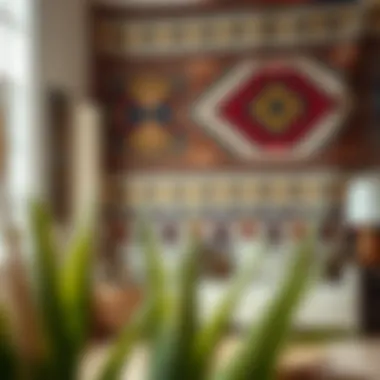
Common motifs include:
- Animals: Creatures like eagles and coyotes often represent different qualities—strength, survival, and freedom.
- Geometric Patterns: Inspired by Native American textiles, these patterns can signify lodges, family connections, or even the journey of life itself.
- Spirits of Nature: Whether it’s the sun, moon, or elements of water, they often embody concepts of respect and reverence for the natural world.
These symbols are not random; they carry significance and hint at a shared cultural understanding. Artists utilize them to narrate experiences and to convey messages, serving as conduits for cultural storytelling. Each piece invites viewers to reflect upon the meanings that are often tied to personal narratives and collective heritage.
Techniques and Materials
The techniques that artists employ to craft southwestern canvas wall art are as diverse as the inspirations behind them. From traditional brushwork to modern mixed media, the methods contribute to the final piece's texture and layers of meaning.
Common techniques include:
- Acrylic Paint: While convenient, it allows for vibrant colors and quick drying, making it a favorite among contemporary artists.
- Oil Paint: Provides rich depth and allows blending that yields expressive results.
- Collage: Incorporating fabric, photographs, or natural materials adds a tactile dimension, showcasing the message in a tangible way.
In terms of materials, many artists are turning towards sustainable options. Utilizing eco-friendly paints or even upcycled goods contributes to a movement that not only values creativity but respects nature. This shift speaks volumes in a world increasingly aware of environmental impact.
Popular Artists and Their Impact
When it comes to southwestern canvas wall art, the artists behind these creations form the backbone of this vibrant movement. These individuals not only express their personal styles but also provide platforms for cultural narratives that resonate with wider audiences. Understanding the works and influences of prominent artists can enrich one’s appreciation of the genre and provide deeper insight into the stories each piece conveys.
Prominent Figures in Southwestern Art
In the realm of southwestern canvas art, several artists stand out, each infusing the genre with their unique perspectives and techniques. For instance, Georgia O’Keeffe is often heralded as a pioneer in portraying the simplicity and beauty of New Mexico’s landscapes. Her works like "Red Canna" and various desert scenes highlight the natural beauty of the region, coupled with abstraction to evoke emotional responses.
Another well-known figure is Fritz Scholder, recognized for embracing Native American themes and moving beyond traditional representations. His bold colors and unconventional style challenge the viewer’s perceptions, making his work striking and relevant. Artists like Navajo artist R.C. Gorman have also played a crucial role, focusing on the female form and traditions of his heritage, merging delicate beauty with cultural critique.
These artists share a common thread—the ability to draw from their environment and heritage, weaving elements of personal experience into their work. Their distinctive styles showcase not just personal artistic expression but a broader narrative that reflects the richness of the Southwestern culture.
Modern Influences
As the world evolves, so too do the influences that shape southwestern art. Modern artists are increasingly incorporating contemporary techniques and themes into their works, blending traditional motifs with modern aesthetics. The rise of digital platforms has allowed a new generation of artists to emerge, bringing fresh ideas and perspectives into the southwestern scene.
Cinematic influences can be seen in the works of artists who draw inspiration from Hollywood’s depiction of the West. This intersection of popular culture and traditional art forms has led to innovative works that are both engaging and thought-provoking. Many young artists today utilize technology not only to create but also to share their art, reaching audiences far beyond regional confines.
Moreover, many artists are addressing global themes such as sustainability, cultural identity, and social justice, resonating strongly in today’s society. This shift signifies a conscious effort to use art as a medium for dialogue, inviting viewers to reflect on broader issues while admiring the beauty of the southwestern landscape.
In sum, the impact of these artists extends well beyond their individual pieces. They introduce a dialogue that reflects cultural shifts and resonate with the evolving art landscape. By studying their contributions, one not only appreciates the artistic merit but also understands the stories and histories interwoven into southwestern canvas wall art.
Incorporating Southwestern Canvas Wall Art in Home Design
When it comes to home design, incorporating southwestern canvas wall art is a game-changer. It adds layers of style while serving as a conversation starter, grounding spaces in rich cultural narratives. Decor isn’t merely about aesthetics; it's about connection, telling stories, and reflecting personal values. Southwestern art breathes life into walls, enabling homeowners to craft unique environments that resonate with the spirit of the American Southwest.
Choosing the Right Piece
Selecting the right piece of southwestern canvas art entails more than just finding something that catches the eye. It’s about alignment with your home’s vibe and your personal taste. Start by considering the colors in your existing decor—opting for pieces that complement or contrast those hues can enhance visual interest. Furthermore, think about the scale of the artwork; a large canvas can stand out as a focal point in a minimalist room, while smaller pieces can create a gallery-like feel in a hallway or nook.
Here are a few tips on choosing wisely:
- Mood Matters: Pay attention to the emotions different pieces evoke. Do you prefer bold, vibrant colors that energize the space, or soft, muted tones that offer tranquility?
- Experiment with Styles: Don’t box yourself in. Southwestern art varies from abstract interpretations to realistic landscapes and cultural symbols. Mixing and matching styles can yield a refreshing eclecticism.
- Consider the Theme: If you’ve got a desert theme, a painting featuring iconic saguaros or sunsets over canyons is a natural fit. Conversely, more abstract works might resonate well in a bohemian-inspired space.
Complementary Decor Styles


To create a cohesive look, complementary decor styles play a crucial role. Southwestern art can harmonize beautifully with various other styles, adding depth and warmth to both modern and traditional settings. Here’s how:
- Rustic Charm: Pair southwestern art with wooden furniture, leather accents, or stone elements to enhance the earthy feel.
- Modern Minimalism: Choose a statement piece to serve as a focal point against a neutral backdrop. Allow the art to speak for itself amid sleek furniture lines.
- Bohemian Flair: Layer textures and patterns. Mixing southwestern artwork with woven textiles, macramé hangings, and other artistic elements can create an inviting atmosphere.
- Industrial Edge: For more urban aesthetics, pairing canvas art with metal elements and concrete finishes can provide a captivating contrast.
Placement Considerations
Placement is often as important as the artwork itself. Strategic placement considerations ensure that the piece resonates with the viewer and enhances the overall decor.
- Eye Level: Hang art at eye level, typically around 57 to 60 inches from the floor, to ensure it is accessible and visible.
- Grouped Arrangements: If you’re arranging multiple pieces, create a coherent gallery that leads viewers' eyes around the space. Uniform spacing helps maintain balance.
- Room Functionality: Consider how people will engage with the space. For instance, a dynamic piece in a living room can stimulate conversation, while softer artwork in bedrooms promotes relaxation.
Ultimately, integrating southwestern canvas wall art is about enhancing your surroundings while honoring its rich cultural roots. As you choose pieces, think of their impact not just on your decor but also on the stories they tell and the emotions they evoke.
"Art is not a thing. It is a way."
— Elbert Hubbard
For more information on southwestern art styles and how they adapt to interior design, you might explore resources like britannica.com or reddit.com for community feedback and inspiration.
Cultural Significance of Southwestern Art
The cultural significance of southwestern art extends beyond mere aesthetics; it embodies narratives, traditions, and values that have been woven through generations. This particular genre of art acts as a bridge, connecting the past with the present. When one gazes upon a piece of southwestern canvas wall art, they're not only admiring a visual feast, but are delving into a rich cultural tapestry. The art is laden with stories that reflect the lives, beliefs, and experiences of the diverse populations that inhabit the Southwestern United States and beyond.
Art as Storytelling
Art, at its core, is a form of storytelling, and southwestern canvas wall art is no exception. Each piece often serves as a narrative vehicle, illustrating themes rooted in indigenous folklore, historical occurrences, or everyday life. The colors, symbols, and styles used are deliberate choices that convey layers of meaning. For instance, a painting depicting a desert landscape might symbolize resilience and survival in harsh environments, often represented through the use of striking reds and ochres that echo the earth itself.
The figures and motifs found in these artworks often tell stories of connection—be it to nature, heritage, or community. Consider motifs like the kokopelli, a fertility deity portrayed as a flute player; the presence of such imagery invites viewers to reflect on life cycles and the interconnectedness of all beings. As potential buyers or decorators, understanding this narrative allows for a deeper appreciation of the art itself, shifting one’s perception from a mere decorative choice to an emblem of cultural dialogue.
"Art allows us to communicate across time and space, echoing cultural moments and personal stories that resonate with many."
Transmitting Cultural Heritage
The role of southwestern canvas wall art in transmitting cultural heritage cannot be understated. Artworks often emerge from specific cultural contexts that encapsulate the beliefs, values, and historical experiences unique to indigenous and local populations. By showcasing these creations, artists preserve and promote their lineage, allowing contemporary audiences to engage with traditions that might otherwise be lost.
The practice of using locally sourced materials and techniques also embodies a sustainable approach to cultural expression. For example, many artists utilize natural pigments derived from the surroundings, reinforcing the link between the artwork and its geographical roots. This connection not only enhances the artistic integrity of the pieces but serves as a powerful reminder of the heritage from which they stem.
Furthermore, as patrons of art, engaging with southwestern canvas wall art provides an opportunity to support ethical practices. Purchasing works created by indigenous artists not only sustains those artists but ensures that their voices and stories flourish within the art world. In a time where cultural appropriation is a rising concern, understanding and valuing the authenticity of southwestern art becomes increasingly important.
Through the lens of art, viewers find portals to the past and reflect on narratives that shape present identities. Investing in a piece of southwestern canvas wall art is, in essence, acquiring a story—one that deserves to be shared and acknowledged.
The Impact of Technology on Art Distribution
In today’s fast-paced digital world, the distribution of art has been transformed profoundly. The rise of technology has changed how southwestern canvas wall art reaches consumers, bridging geographical gaps and creating new opportunities for both established and emerging artists. This section delves into the significance of these advancements and their implications for artists and art enthusiasts alike.
Digital Platforms and Marketplaces
The advent of digital platforms has been a game-changer for artists and collectors. Websites like Etsy, Saatchi Art, and Artfinder are not just online galleries; they are thriving marketplaces that empower artists to sell directly to the public. This circumvents traditional galleries, allowing artists greater control over their pricing and visibility.
- Wider Reach: Artists can showcase their work to a global audience, allowing southwestern art to find homes not only in North America but also in Europe, Asia, and beyond.
- Accessibility: Digital platforms make it easier for collectors to discover unique pieces that resonate with their personal styles. Art that once relied on local galleries can now be showcased online, connecting buyers with art that tells the stories of the southwestern culture.
- Social Traffic: Many of these platforms integrate social media sharing, amplifying visibility and engagement. A piece of art can quickly go viral, drawing attention to both the artist and the cultural narrative behind their work.
Artists can establish an online presence, utilizing social media and digital marketing strategies to build their brand. The ability to share behind-the-scenes glimpses of their creative process or engage with followers through livestreams enhances their connection with the audience.
"Art is not what you see, but what you make others see." - Edgar Degas

Emerging Artists Online
The digital age also offers a platform for emerging artists who might otherwise struggle to find representation. Many talented creators find their start through online channels, showcasing distinctive southwestern canvas wall art. These artists contribute fresh perspectives that add diversity to the broader narrative.
- Niche Markets: Emerging artists can cater to specific audiences, focusing on niche styles or themes that reflect unique cultural backgrounds. This leads to innovative approaches to traditional southwestern motifs, reinvigorating interest in the genre.
- Crowdfunding Opportunities: Platforms like Kickstarter and Patreon enable artists to fund their projects through direct support from art lovers. This democratizes the art world, allowing creativity outside the constraints of conventional funding.
- Collaborative Initiatives: New artists often collaborate with others in the industry, whether in online forums or through social media. This collaboration fosters community, encourages knowledge sharing, and can lead to unique fusion art pieces that capture the essence of a blend of cultures.
Sustainability in Art Production
Sustainability is a topic that resonates fiercely in today’s world, especially within the realm of art. As artists and consumers alike become increasingly aware of the environmental footprint of their choices, embracing sustainability in art production has transitioned from a trend to a necessity. In the context of southwestern canvas wall art, the dialogue on sustainability encompasses not only the materials used but also the processes involved in creating these vibrant pieces.
By integrating sustainable practices, artisans can foster a deeper connection with their environment, enriching the artistic narrative woven through each creation. This movement towards eco-consciousness reflects a commitment to preserving cultural integrity, allowing artists to convey their rich heritage without compromising the health of the planet. Furthermore, incorporating sustainability into art production ensures the longevity of artistic expression, providing a clearer path for future generations to tell their stories through this unique medium.
Ethical Sourcing of Materials
When we talk about ethical sourcing, it essentially means selecting materials that are obtained responsibly and in a manner that minimizes harm to the environment and surrounding communities. This is especially critical in southwestern art, where regional resources, like clay, dyes, and wood, play a significant role in artistic expression. Artists who commit to this practice not only support local economies but also preserve traditional methods that can be lost in mass production.
For instance, many southwestern artists turn to locally sourced pigments derived from natural materials. Instead of relying on synthetic dyes, which often come with environmental costs, they select colors found in the earth, aligning their work closer to the cultural roots from which these art forms emerged. This not only enhances the authenticity of the artwork but also creates a vibrant tapestry that speaks to the landscape itself.
Consider the following points regarding ethical sourcing in southwestern art:
- It strengthens community ties by supporting local artists and suppliers.
- Ethical materials often carry a story, adding depth to the artwork.
- It reduces the environmental impact associated with transportation and manufacturing.*
Eco-Friendly Practices
Embracing eco-friendly practices in the world of southwestern canvas art extends beyond material sourcing. It encompasses the entire creative process, from initial conception to final presentation. Artisans are finding innovative ways to reduce waste and utilize sustainable techniques that resonate with the ethos of the southwest.
One common practice involves using recycled materials, such as repurposed canvas or reclaimed wood for frames. This not only minimizes waste but adds unique character to each art piece. Moreover, artists are increasingly adopting water-based paints and glues, which are less toxic compared to traditional oil-based products, ensuring a healthier working space and reducing the release of harmful chemicals into the environment.
Additionally, sustainable packaging for artworks is becoming standard practice. Artists are moving towards biodegradable or recyclable options, minimizing their impact on landfills. By adopting these methods, canvas wall art can transition from mere decor to a reflection of a mindful lifestyle, reinforcing a commitment to sustainability and cultural respect.
Being eco-friendly is not just about being trendy; it's about creating a legacy for future artists and audiences.
Through these conscientious choices, the southwestern canvas art movement is carving out a niche that honors the past while forward-thinking for the planet’s future. As stylists, designers, and marketers explore this vital aspect of art production, they contribute to shaping a culture of creativity that values both aesthetic beauty and environmental responsibility.
Epilogue: The Enduring Appeal of Southwestern Canvas Wall Art
The exploration of southwestern canvas wall art reveals a deep connection between aesthetic beauty and cultural heritage. It serves not just as a decorative piece but as a narrative that speaks volumes of the history and stories it embodies. In today’s world, where decor choices often reflect one’s personality and values, southwestern art stands out as a unique expression of individuality.
Reflecting Personal Expression
Choosing southwestern canvas wall art often reflects a deeper personal expression for enthusiasts. This art form allows individuals to curate an ambiance that resonates with their tastes and experiences. For many, it’s not merely about decoration; it’s about telling a story.
When someone decides to hang a vibrant piece adorned with desert landscapes or native symbols, it’s a clear nod to the aesthetic values and nostalgia associated with the Southwestern US. It’s like holding a mirror up to one's soul, revealing colors, ideas, and traditions that matter.
Here are a few ways in which southwestern canvas art allows for personal expression:
- Cultural Connection: Many find pride in showcasing a piece that resonates with their heritage or experiences.
- Decorative Cohesion: These artworks can tie various design elements together, creating a harmonious flow within a space.
- Emotional Resonance: The imagery often evokes feelings of comfort and connection to the natural world; from the ochre of the deserts to the rich blues of the skies.
Looking to the Future
The appeal of southwestern canvas wall art is likely to evolve as trends shift and new artists emerge. As the digital age brings art closer to everyone’s living rooms, there's a potential for a blending of traditional styles with contemporary methods. Artists are exploring ways to incorporate modern elements, keeping the essence of southwestern aesthetics while appealing to newer tastes.
- Innovative Techniques: New techniques such as digital art fusion or mixed-media canvases are becoming prevalent, expanding the boundaries of what southwestern art can represent.
- Deepening Cultural Engagement: As cultural awareness increases, there will be more emphasis on ethical sourcing and respect towards indigenous traditions, ensuring authenticity while promoting sustainability.
- Broader Accessibility: Online platforms are facilitating a wider audience to access diverse forms of southwestern art, fostering appreciation beyond traditional boundaries.
The journey from canvas to living space is often one steeped in emotion and personal choice, showing that art is not only something to behold but something to live with.
Ultimately, southwestern canvas wall art continues to allure with its vibrant colors and profound meanings. It is not just a trend but a testament to a rich cultural history and an ever-evolving expression of self. Whether in homes or galleries, its appeal is undeniable, and its future remains bright.